Vulnerable parenting and breach of trust: an analysis of family dynamics in "All Her Fault"
By Lattanzi & Calzone (Edited by the AIPC Scientific Board)
Introduction: The delegation of care as a breaking point
The narrative of All Her Fault acts as a powerful catalyst for analyzing modern family dynamics. At the heart of the drama lies not just the kidnapping, but the traumatic failure of the delegation of care. In the CIPR (Italian Center for Relational Psychotraumatology) clinical model, we observe how contemporary parenting constantly balances work commitments with affective presence. The TV series shatters the fundamental certainty upon which this precarious balance rests: the trust that the "other" (a friend, another student’s mother) is a safe extension of one's own parental function.
Differential analysis via SVITR: Comparing mothers and fathers
By hypothetically applying the Relational Traumatic Impact Assessment Scale (SVITR) to the protagonists, distinct gendered profiles of emotional dysregulation emerge, influenced by social expectations and internalized roles.
1. The maternal profile: hyper-responsibility and guilt
Clinical analysis of figures similar to the protagonist, Marissa, suggests that the SVITR would reveal high scores in pervasive anxiety and guilt.
- Work/Presence Dynamic: The working mother who delegates her child’s pickup experiences the trauma as a confirmation of her worst fears: "If I had been there, this wouldn't have happened."
- Dysregulation: Manifests as a collapse of parental self-esteem. The mother no longer feels like a "secure base," but rather an indirect source of danger.
- Reaction: A tendency toward hyper-control and subsequent intrusiveness in a desperate attempt to compensate for the "void" in supervision that allowed the trauma to occur.
2. The paternal profile: helplessness and anger
For male figures, often depicted in fiction (and observed clinically) as focused on problem-solving or absorbed by career demands to provide support, the SVITR would highlight peaks in anger and emotional detachment.
- Availability vs. Action: When faced with relational trauma, the father experiences the frustration of helplessness. If his role was to "protect," the deception he suffered strips him of that role.
- Dysregulation: This often translates into aggressive outward activation or, conversely, a silent and inaccessible withdrawal, leaving the partner alone in managing the emotional aftermath of the event.
"Fake Care": The deception of availability
A crucial aspect emerging from the series, also found in AIPC criminological analyses, is the figure of the "fake caregiver." The trauma is exacerbated because the predator does not appear as a threat but wears the mask of total availability. In our frantic society, where parents are squeezed between work deadlines and household management, anyone offering to "help" or "be there" becomes an indispensable resource. The antagonist exploits this systemic vulnerability, offering a presence that biological parents, out of necessity, cannot guarantee 24/7. When this "fake mother" is revealed as a danger, the victim suffers a double injury: the loss of the child and the realization of having been manipulated through their very need for support.
From dysregulation to reconnection: The CIPR protocol
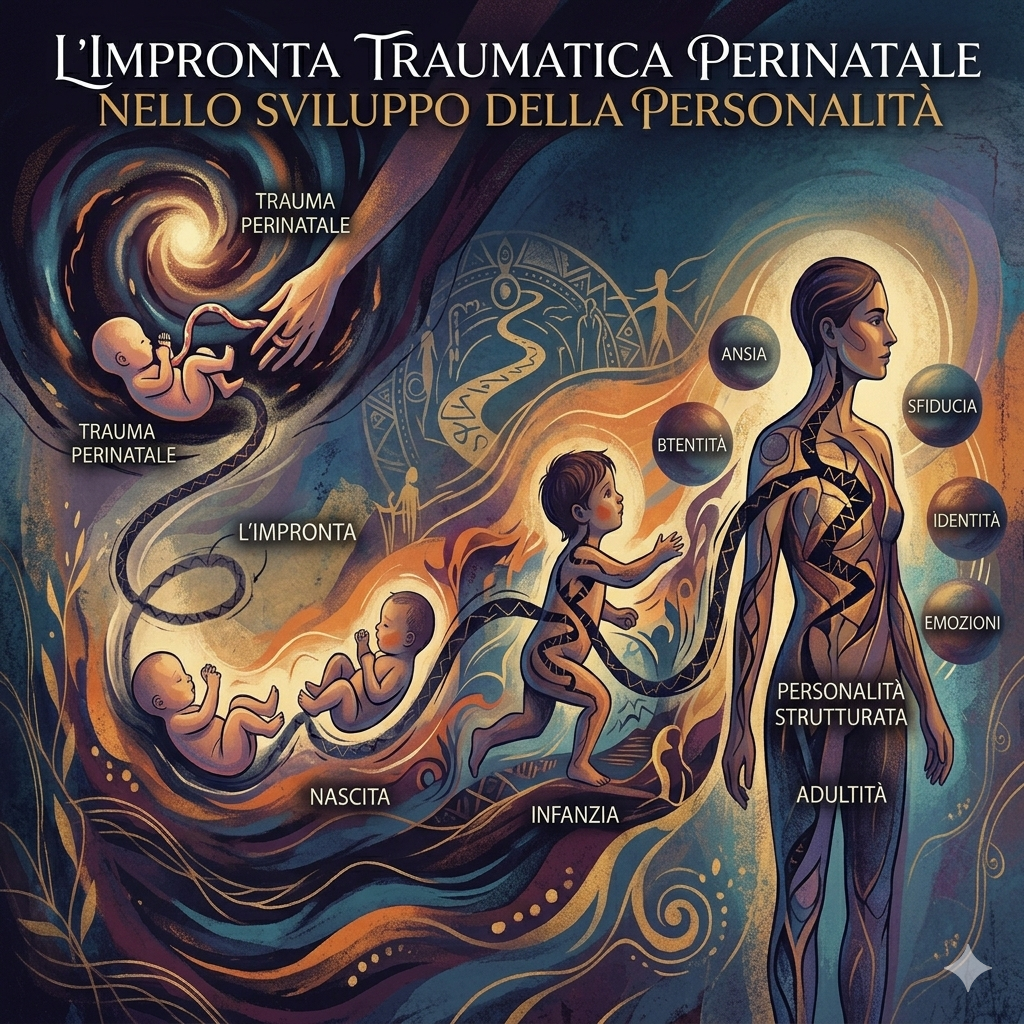
How do you repair a family system where trust has been used as a weapon? The integrated therapeutic approach, as defined by the work of Lattanzi and Calzone, cannot be limited to simply narrating the event. The emotional dysregulation caused by guilt (in the mother) and helplessness (in the father) is inscribed in the body.
Intervention at our centers is structured on two levels:
- Biofeedback and physiological regulation: Before processing guilt, it is necessary to reduce physiological arousal. Through biofeedback, we help parents exit the state of chronic alarm that prevents them from being clear-headed and present for their recovered children or the rest of the family.
- Restructuring the parental role: Work is done to decouple responsibility from guilt. Understanding that the need to work or have personal space does not make a parent "guilty" of another’s criminal actions is the fundamental step to restoring healthy, non-reactive parenting.
Conclusions
All Her Fault brutally reminds us that "zero risk" does not exist. However, it also teaches us that the real danger to mental health is being condemned to repeat trauma through silence and withdrawal. Recognizing one's vulnerabilities, accepting the limits of one's availability, and working on emotional regulation are the necessary steps to protect oneself and one's children, transforming a devastating experience into a new awareness.
Institutional references and contacts
If you feel that managing daily commitments, parental stress, or past traumas are affecting your ability to experience peaceful relationships, CIPR offers specialized paths. Our professionals in Pescara and Rome are ready to welcome you:
AIPC Email: aipcitalia@gmail.com
Website: www.associazioneitalianadipsicologiaecriminologia.it
WhatsApp: 3924401930
Do not delay the opportunity to embark on a journey of change and growth. We are here for you.