-(2).png "Masculinity, emotional dysregulation, and \"self-medication\" strategies in couple conflicts: A psychotraumatological analysis")
Masculinity, emotional dysregulation, and "self-medication" strategies in couple conflicts: A psychotraumatological analysis
Edited by: Massimo Lattanzi and Tiziana Calzone
Entities: Italian Association of Psychology and Criminology (AIPC), Italian Center for Relational Psychotraumatology (CIPR), National Observatory on Domestic Homicide (ONOF)
Reference Link: Psypost - Masculine personality traits predict drinking after romantic fights
Abstract
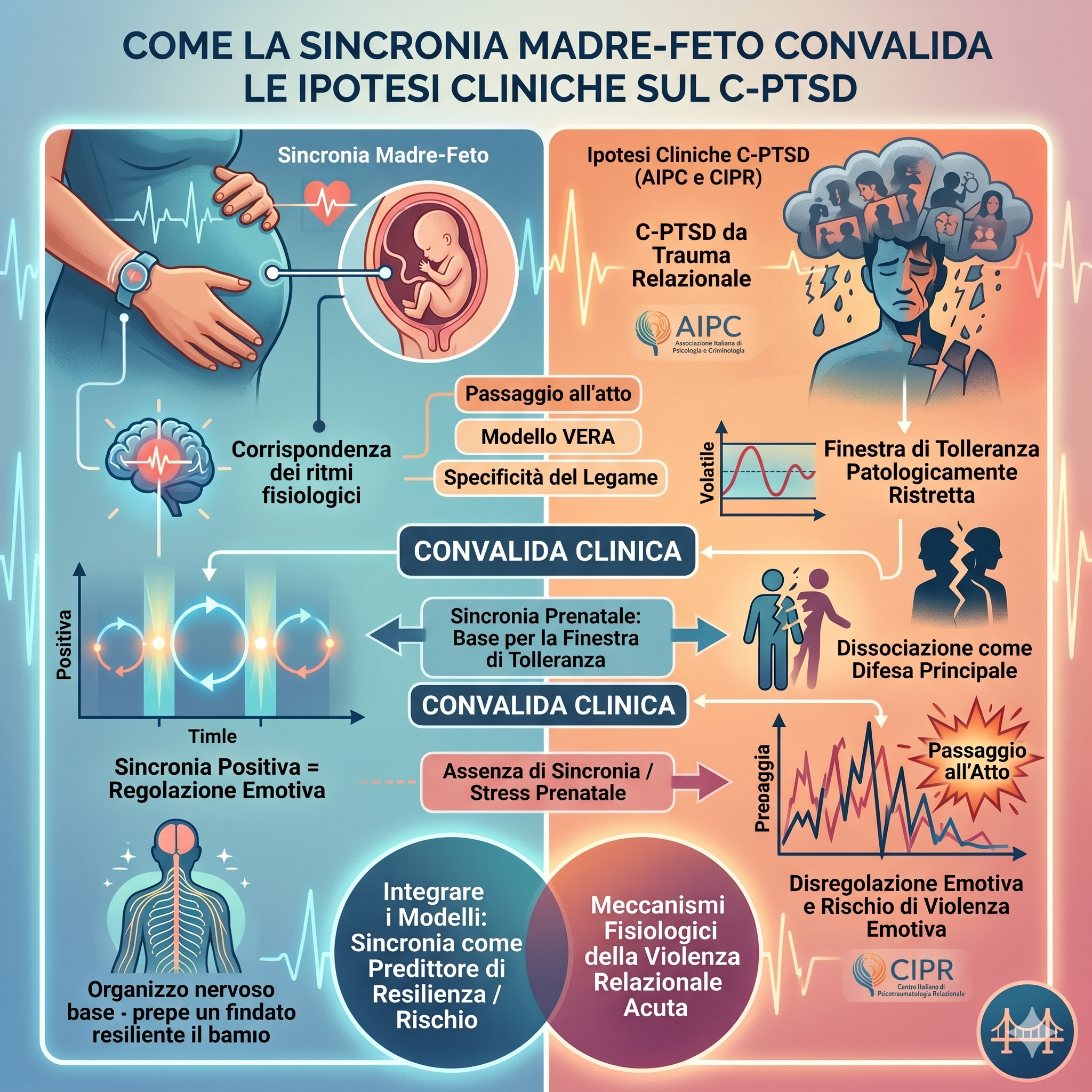
This article examines the relationship between gender orientations and post-conflict alcohol consumption through the lens of relational psychotraumatology. Based on research published in the Journal of Social and Personal Relationships, the analysis focuses on how masculine personality traits predispose individuals to marked emotional dysregulation following relational stress. It is hypothesized that alcohol use is not merely a social behavior, but a form of "self-medication" to manage the exit from the window of tolerance caused by intense negative emotions (anger, helplessness, sadness). The study highlights that masculine orientation represents a stronger predictor of dysfunctional coping than biological sex alone.
BEYOND TRAUMA AND VIOLENCE: THE SCIENCE THAT HEALS!
SAVE THE DATE | COMING SOON Rome, February 13, 2026 | 3:00 PM – 7:00 PM INTERNATIONAL SUMMIT VIOLENCE, COMPLEX TRAUMA, AND EMOTIONAL REGULATION: The science of assessment and integrated interventions: from clinical practice to Pet Therapy.
Psychotraumatological analysis of conflict
1. Masculine orientation as a vulnerability to dysregulation
Modern psychotraumatological research suggests that identification with traditional masculine traits may be associated with less flexibility in impulse regulation. Data show that individuals with a high masculine orientation experience a collapse of Self-stability after an argument, manifesting peaks of:
- Anger and Helplessness: Typical emotions of traumatic hyper-arousal.
- Sense of Isolation: The perception of feeling "unheard and alone."
These emotional states push the subject outside their window of tolerance. In this context, alcohol acts as an emotional anesthetic to shut down a nervous system incapable of processing conflict in a narrative and conscious way.
2. Gender differences and defense mechanisms
While masculine orientation correlates directly with alcohol consumption due to the intensity of negative emotions, feminine orientation presents a more indirect and internalizing path.
- Feminine Orientation: Associated with vulnerability, embarrassment, and jealousy. In these cases, alcohol consumption appears to be a defense mechanism to manage anxiety and guilt.
- Universal Factor: Jealousy emerges as a transversal mediator, acting as a universal trigger for dysregulation and subsequent "acting out" through substance use.
3. The "telescoping" phenomenon and clinical risk
It is essential to note that although men historically consume more alcohol, women present a faster risk of developing addiction once abuse begins (telescoping). This data underscores the importance of a clinical assessment that goes beyond biological data to achieve a profiling of personality and the degree of familiarity with relational trauma.
25 Years of AIPC: Transforming trauma into healing and breaking the cycle of violence
For a quarter of a century, the Italian Association of Psychology and Criminology (AIPC) has been at the forefront against violence and feminicide. We combine science and humanity through advanced clinical protocols, such as Biofeedback, to rebuild emotional balance and break the cycle of trauma.
Support our mission: Invest in change. Your contribution or sponsorship is the engine for a concrete social impact. With your support, we can:
- Expand school training to reach thousands of students with prevention programs.
- Enhance the training of Law Enforcement on the "Codice Rosso" (Red Code) and trauma management.
- Multiply risk assessment protocols for "acting out" and recidivism.
- Break the intergenerational transmission of violence.
Conclusion
The research by Rodriguez et al. confirms that post-argument alcohol consumption is strictly linked to the inability to regulate negative affects. From the perspective of relational psychotraumatology, the "repetition compulsion" of these patterns can only be interrupted through clinical education and the widening of the window of tolerance. Without specialized intervention (such as the paths offered by CIPR), unresolved relational trauma transforms couple conflict into a catalyst for addictions and acting out.
YOU ARE NOT ALONE. If family dynamics have marked your life, our centers in Pescara and Rome are ready to welcome you.
Website: www.associazioneitalianadipsicologiaecriminologia.it
WhatsApp: +39 3924401930
Email: aipcitalia@gmail.com
.png "La clinica del passaggio all'atto: Report ONOF dei delitti familiari (14-20 Maggio 2026)")