The shadow of trauma in relationships: A psychotraumatological analysis of family homicides at the dawn of 2026
Edited by: Dr. Massimo Lattanzi, Dr. Tiziana Calzone, and Dr. Francesca Candus
Abstract
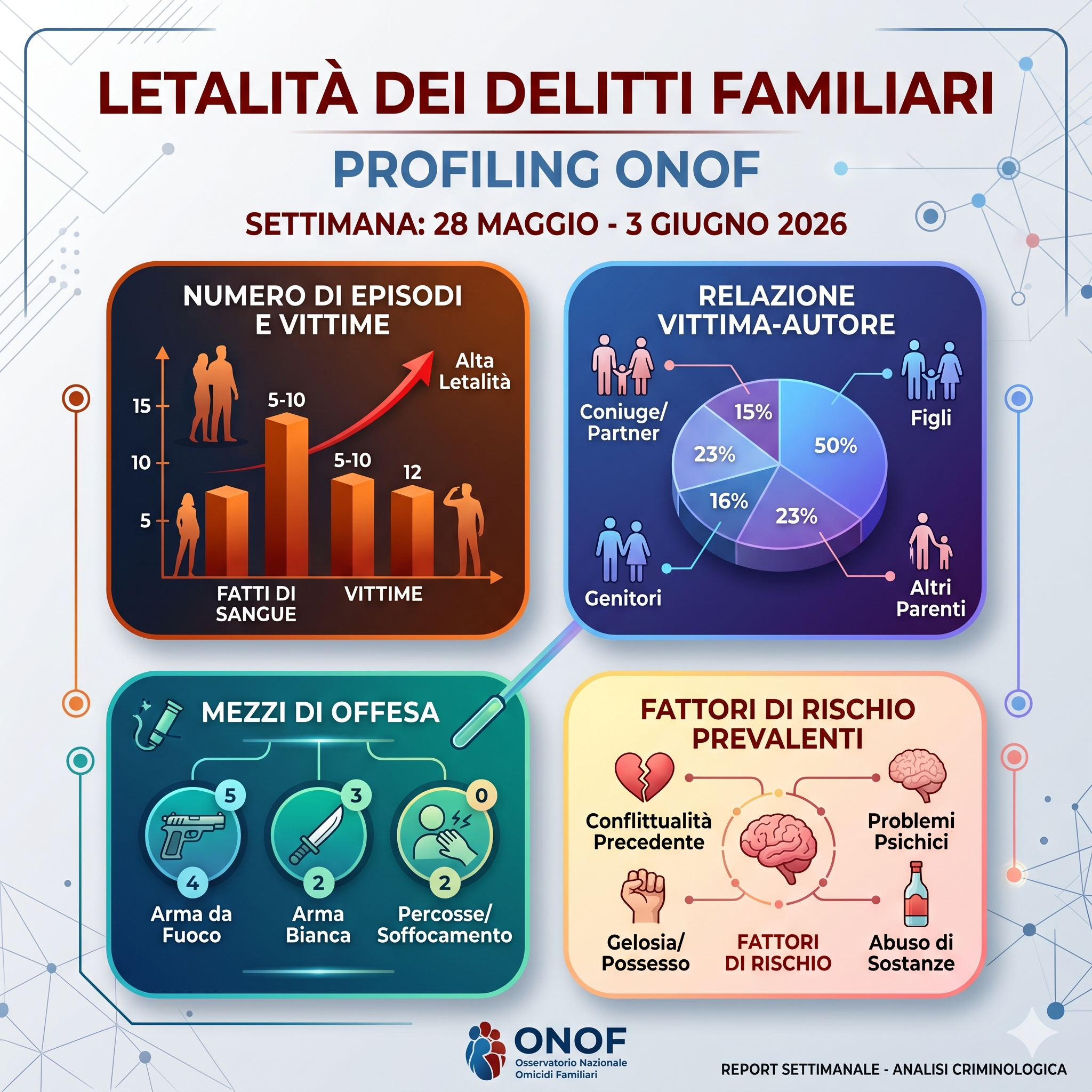
This study analyzes 9 family crimes recorded during the first week of 2026 using OSINT (Open Source Intelligence) methodology—the systematic monitoring and analysis of newspapers and open-source news reports. The cases show a prevalence of attempted homicides (6 cases) compared to completed homicides (2 cases), including one episode of suicide.
Analysis and commentary on variables: Victims and perpetrators of family homicide
Data collected between January 1st and 7th, 2026, outline a framework where gender, age, and familiarity serve as indicators of profound traumatic dynamics.
1. Gender
- Victims: Statistical parity is observed between men (50%) and women (50%) regarding completed homicides. However, in cases of attempted homicide, the percentage of female victims rises drastically to 83%.
- Perpetrators: All alleged perpetrators (100%) are male. Clinically, this suggests a greater difficulty for men in regulating anger and the threat system when relational trauma remains unprocessed.
2. Age
- Victims: Distribution is concentrated in the 36-53 and 54-71 age groups.
- Perpetrators: 50% belong to the 36-53 age group and 50% to the 72+ group. The advanced age of some perpetrators suggests a crystallization of relational trauma that can explode even in late stages of life, often within caregiving contexts or forced cohabitation.
3. Familiarity
- Dynamics: Victims are equally divided between Relatives (50%) and Acquaintances (50%).
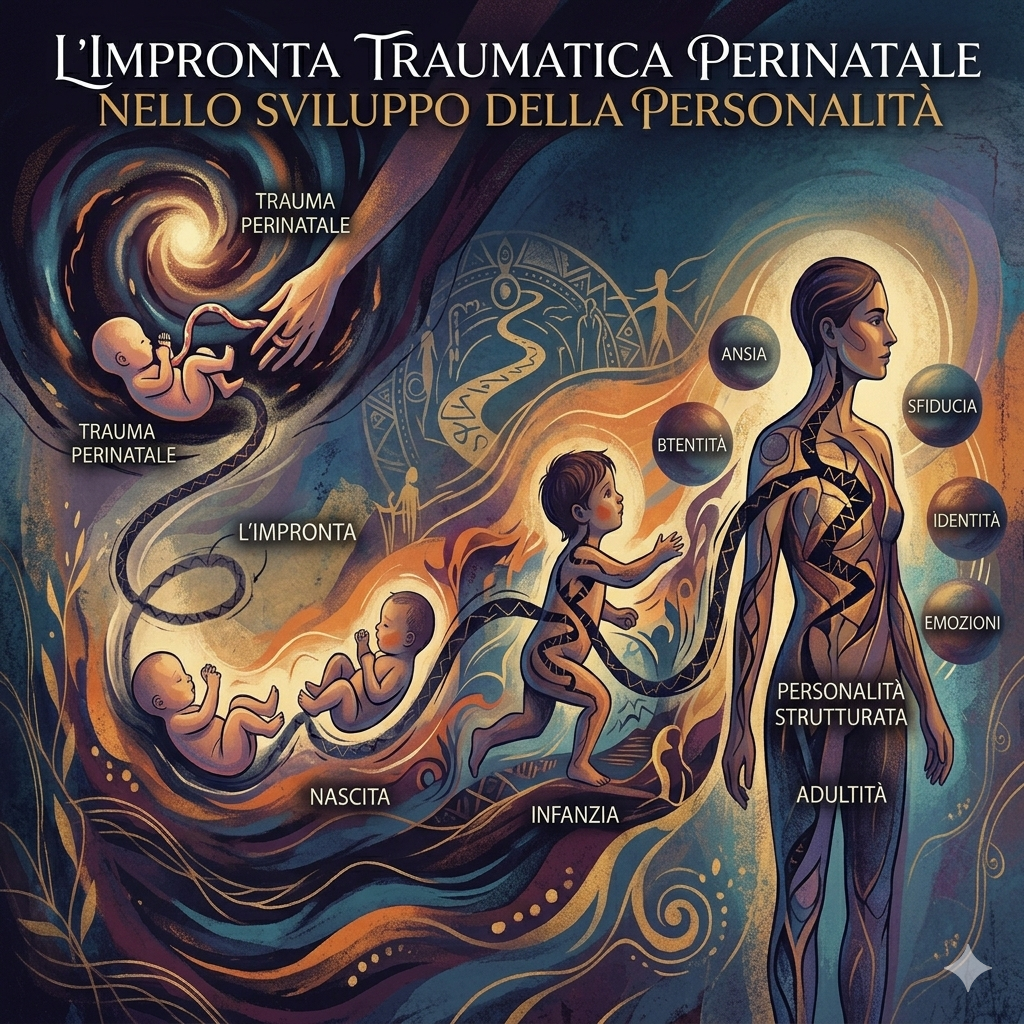
- Commentary: From a psychotraumatological perspective, the "degree of familiarity" variable is crucial: the crime does not occur in a vacuum but within significant bonds where the perpetrator's emotional dysregulation transforms the "other" from a person of connection into a target for traumatic projection.
4. Geographical distribution
- Location: 100% of the homicides analyzed in this timeframe occurred in Northern Italy. While partial, this data indicates a need to monitor specific urban and social contexts where isolation may further narrow the window of tolerance of vulnerable individuals.
5. Weapon used
- Type: Improvised weapons (50%) and "other" (50%) prevail.
- Commentary: The use of improvised weapons (everyday objects) often indicates acute impulsivity and a non-premeditated acting-out (passaggio all'atto). This is typical of emotional dysregulation, where the defense system reacts catastrophically to a perceived threat (real or symbolic).
International Summit: From C-PTSD to Pet Therapy
Integrated pathways of emotional regulation in cases of violence. Rome, February 13, 2026 | 3:00 PM – 7:00 PM SALA TEVERE, Regione Lazio – Via C. Colombo, 212 An elite panel for the assessment of complex trauma and violent relational dynamics. FREE ENTRY. RESERVATION REQUIRED. CERTIFICATE OF PARTICIPATION PROVIDED. LIMITED SEATS. Click here for the registration form
Case Focus: The Tragedy of the Parental Bond
Among the episodes analyzed, the case of an elderly man (89 years old) who killed his 63-year-old daughter using a hammer stands out.
Psychotraumatological Commentary: This event exemplifies the collapse of the "Care" function. In a context of C-PTSD or accumulated trauma, the perpetrator may perceive the family situation as an inescapable trap. The hammer, a quintessential improvised weapon, highlights the immediacy of the acting-out. Here, the exit from the window of tolerance is total: the subject, overwhelmed by dysregulation that prevents the mediation of thought, acts out the trauma through destructive violence toward the closest relative.
Conclusions
Analysis by AIPC and CIPR confirms that family crimes are rarely isolated events but rather the epiphenomenon of chronic emotional dysregulation rooted in untreated relational trauma. It is essential to intervene through clinical risk assessment—such as that offered by the ASVS protocol—which looks beyond social dimensions to analyze the subject's ability to self-regulate and remain within their window of tolerance. Prevention relies on the early recognition of C-PTSD signs and specialized multidisciplinary support.
If you feel that complex family dynamics have deeply influenced your life and emotional regulation, the Italian Center of Relational Psychotraumatology (CIPR) and AIPC offer personalized therapeutic paths integrating advanced methodologies such as biofeedback.
Contacts:
- Website: www.associazioneitalianadipsicologiaecriminologia.it
- Email: aipcitalia@gmail.com
- WhatsApp: +39 3924401930 (Active daily from 11:00 AM to 4:00 PM)