The architecture of insecurity and the low incidence of male machiavellianism: meta-analytic analysis and clinical perspectives
Source link: https://www.psypost.org/insecure-attachment-is-linked-to-machiavellian-personality-traits/
Edited by: Massimo Lattanzi and Tiziana Calzone
Organizations: Italian Association of Psychology and Criminology (AIPC), Italian Center for Relational Psychotraumatology (CIPR), National Observatory on Family Homicides (ONOF).
Abstract
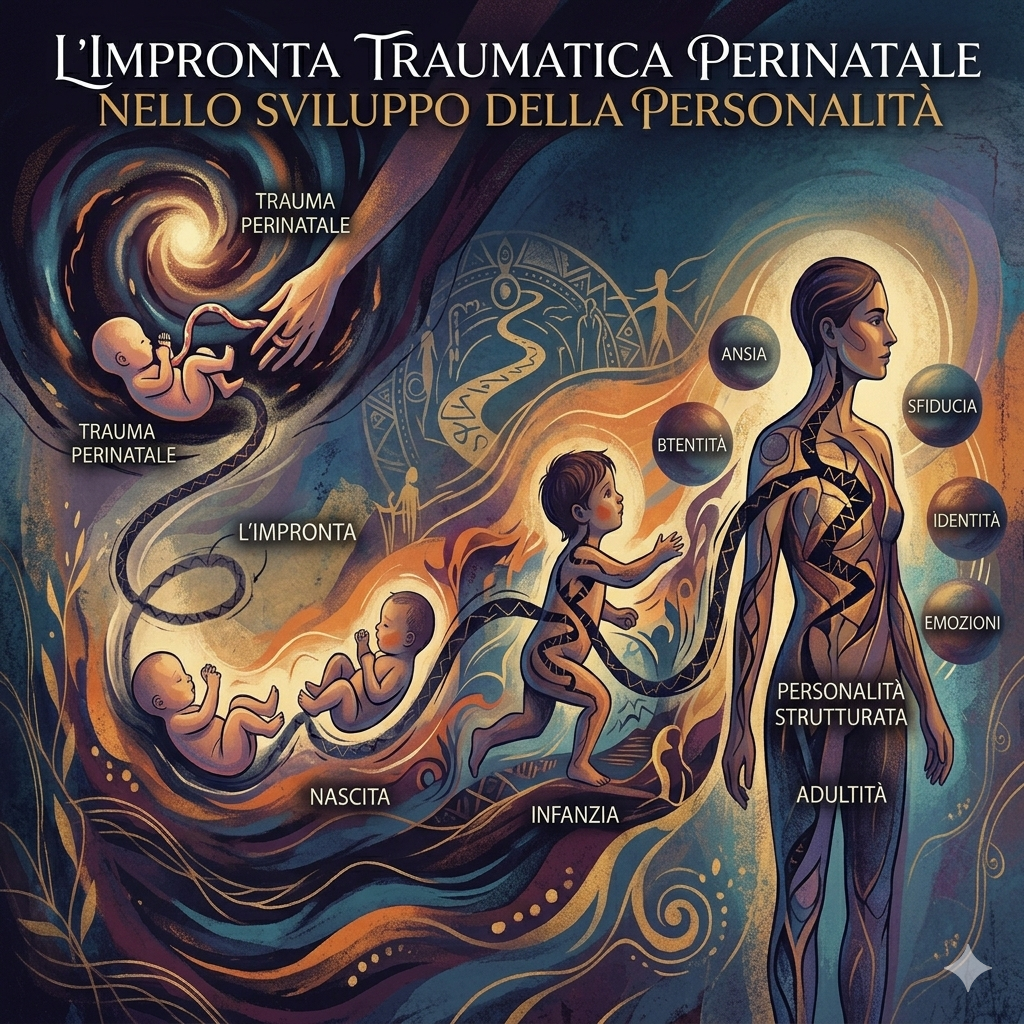
This contribution analyzes the correlation between insecure attachment styles and the development of Machiavellian personality traits, reinterpreting the research findings of Zhang et al. (2026) through the lens of relational psychotraumatology. The study, conducted on a sample of 13,791 participants, highlights how manipulative traits are not a voluntary choice but a "protective shell" resulting from fragmented Internal Working Models (IWM). A fundamental finding is that, despite clinical relevance, only a minimal percentage of men exhibit Machiavellian traits, confirming that such behaviors stem from specific traumatic vulnerabilities rather than a gender characteristic.
International Summit
From C-PTSD to Pet Therapy: Integrated Pathways for Emotional Regulation in Cases of Violence. Rome, February 13, 2026. 3:00 PM – 7:00 PM | SALA TEVERE, Lazio Region – Via C. Colombo, 212
An elite panel for the assessment of complex trauma and violent relational dynamics.
FREE ENTRY. RESERVATION REQUIRED. CERTIFICATE OF ATTENDANCE WILL BE ISSUED. LIMITED SEATS. Click here for the registration form
Statistical Evidence from Machiavellianism Research
The meta-analysis aggregated data from 27 selected articles providing 86 different effect sizes. The data highlight the localized nature of this trait:
- Prevalence and Sampling: The study focused on the general population, excluding clinical patients to observe tendencies in everyday contexts.
- Gender Incidence: Research observes that while the link between attachment and manipulation is analyzed, Machiavellianism as a dominant trait remains limited to a small minority of the male population.
- Correlation Strength: There is a significant positive correlation between increased attachment insecurity and the tendency toward Machiavellian behaviors.
- High-Impact Profiles: The strongest links to Machiavellianism are found in disorganized and fearful-avoidant attachment styles.
CIPR and AIPC Interpretation: Dysregulation and Trauma
For CIPR and AIPC, these data confirm that Machiavellianism is a response to emotional dysregulation. In individuals with C-PTSD, the window of tolerance is very narrow; when relational stress exceeds this limit, the subject may resort to defensive manipulation or "acting out" as a loss of impulse control.
- Survival Strategy: Individuals with fearful-avoidant attachment use manipulation to "socially survive" because they lack trust in authentic bonds.
- Skeptical Vision: The tendency to filter positive signals and amplify negative ones reinforces a cynical view that justifies manipulation as self-defense: "better to manipulate than be manipulated."
Considerations on Risk Assessment (ASVS Protocol)
In line with the ASVS protocol, risk assessment must focus on the clinical key. Profiling the Machiavellian perpetrator reveals a "cold syndrome" used to maintain control and emotional detachment. However, it is vital to reiterate that international research confirms only a minimal percentage of men fit this extreme profile.
Conclusion: The Path to Healing
In summary, Machiavellianism is not a malicious trait chosen freely, but is often rooted in hostile family environments and neglectful care. If clinicians can address the root cause—the fear of rejection or betrayal—the need for defensive manipulation decreases drastically.
Contacts and Specialist Support:
If you feel that complex family dynamics have influenced your emotional regulation, the Italian Center for Relational Psychotraumatology (CIPR) offers personalized therapeutic pathways and biofeedback in Pescara and Rome.
Website: www.associazioneitalianadipsicologiaecriminologia.it
Email: aipcitalia@gmail.com
WhatsApp: 3924401930
Bibliographic References
Primary Source:
- Zhang, Y., Wang, Y., Jiang, X., Li, X., & Zhang, J. (2026). The relationship between insecure attachment and Machiavellianism: a meta-analysis. Journal of Social and Personal Relationships. (Analysis conducted on 27 articles and 13,791 participants).
Reference Literature and Protocols (AIPC, CIPR, ONOF):
- Lattanzi, M., & Calzone, T. (2025). ASVS Protocol: Clinical assessment and relational psychotraumatology. Rome: AIPC Editions.
- Lattanzi, M. (2024). The window of tolerance and emotional regulation in C-PTSD: Psychophysiological stabilization interventions and biofeedback. Pescara: Italian Center for Relational Psychotraumatology (CIPR).
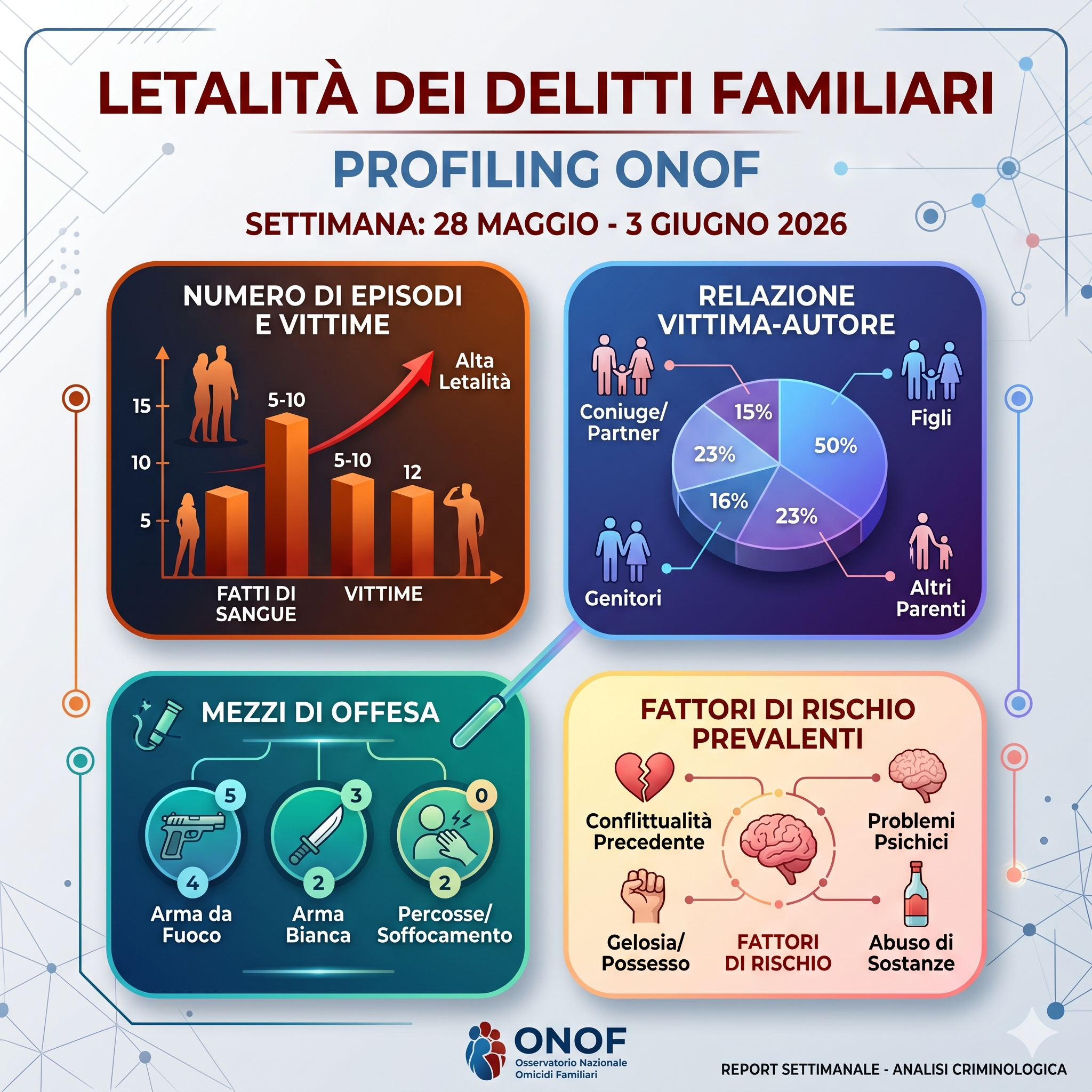
Italian Association of Psychology and Criminology (AIPC). (2025). Statistical analysis of family homicides and the familiarity degree variable. ONOF Technical Report.
- Italian Association of Psychology and Criminology (AIPC). (2025). Profiling Machiavellianism and defensive strategies in complex trauma. Available at: www.associazioneitalianadipsicologiaecriminologia.it.
Methodological Insights:
- CIPR. (2025). Manual of Relational Psychotraumatology: From emotional dysregulation to the healing of Internal Working Models.
- ONOF (National Observatory on Family Homicides). (2025). Data and statistics on relational crime in Italy: focus on gender and perpetrator dynamics.
© 2026 AIPC Publisher – All Rights Reserved
Any use, even partial, is prohibited without mandatory citation of the source for any medium (online, print, video, audio, reports, and publications). Violations will be prosecuted according to the law.
For authorizations and info: aipcitalia@gmail.com | www.associazioneitalianadipsicologiaecriminologia.it