Correlation between phantom limb experiences and C-PTSD: A relational psychotraumatological analysis
Edited by: Massimo Lattanzi and Tiziana Calzone.
Organizations: Italian Association of Psychology and Criminology (AIPC), Italian Center for Relational Psychotraumatology (CIPR), National Observatory on Domestic Homicides (ONOF).
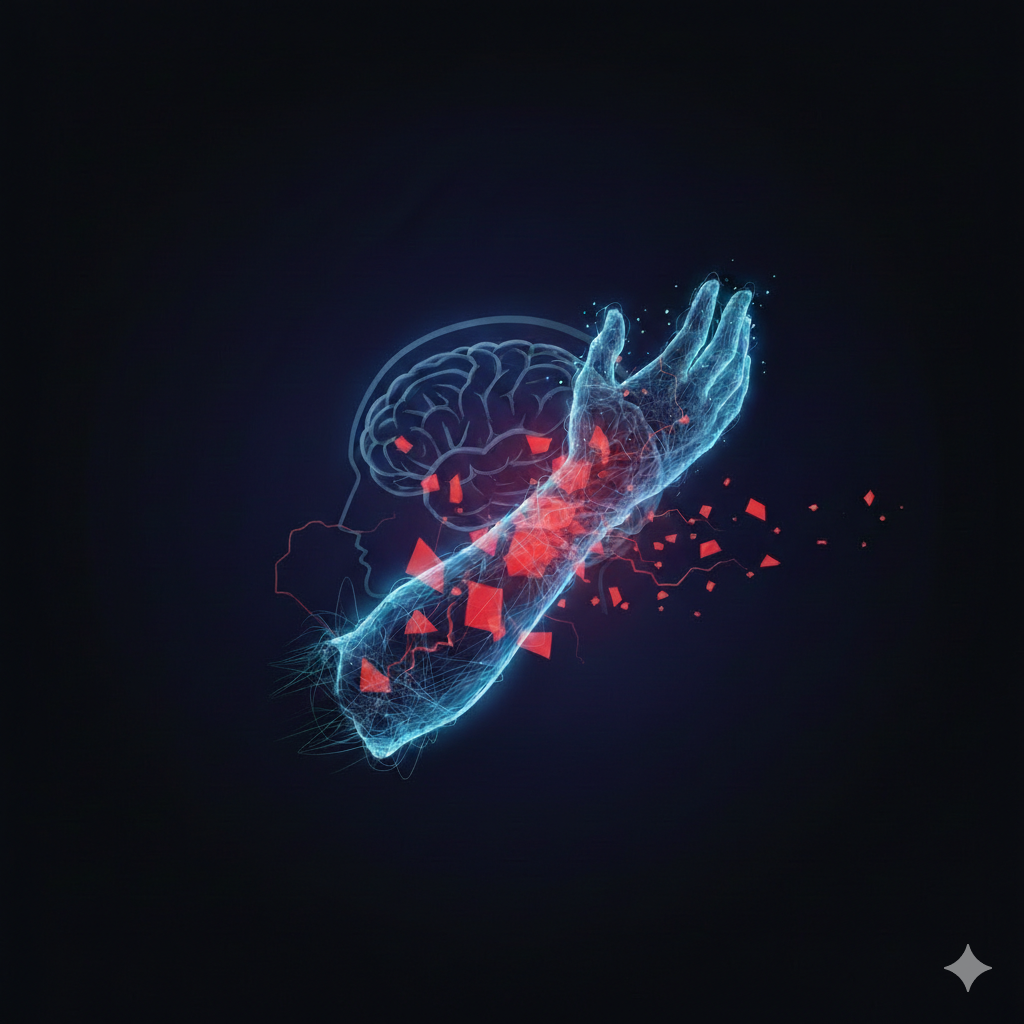
Rochelle L. Johnson’s text offers a phenomenology of the "mutilated" body that finds a rigorous clinical parallel in Complex Post-Traumatic Stress Disorder (C-PTSD). Through the lens of relational psychotraumatology and the models developed by Lattanzi and Calzone, the physical absence of the limb and the psychic "absence" of the trauma survivor can be interpreted as fragmentations of somato-psychic integrity.
Emotional dysregulation and the window of tolerance
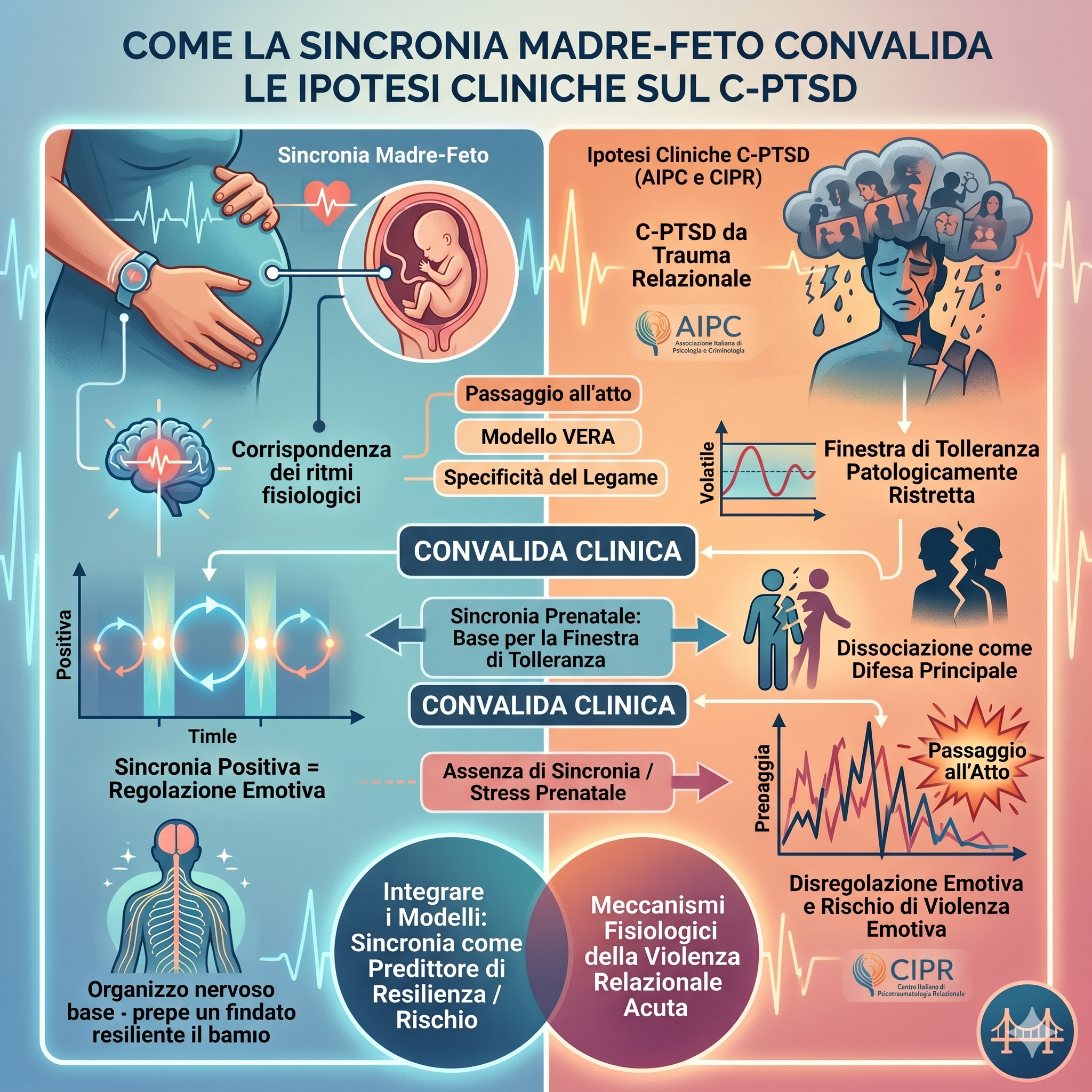
"Phantom pain," described as electric shocks and stabbings, represents—in psychotraumatological terms—a violent exit from the window of tolerance. In subjects with C-PTSD, this window is extremely narrow due to prolonged relational trauma.
- Loss of Impulse Control: Just as the phantom limb "tries to move" autonomously, in C-PTSD, traumatic triggers spark survival responses that can lead to a grave passage to the act due to the loss of impulse control.
- Body Memory: The author states that "a body never forgets what it has been." This coincides with evidence from the CIPR (Italian Center for Relational Psychotraumatology), which views trauma as a mnemonic trace inscribed within neural pathways.
The VERA protocol and risk assessment
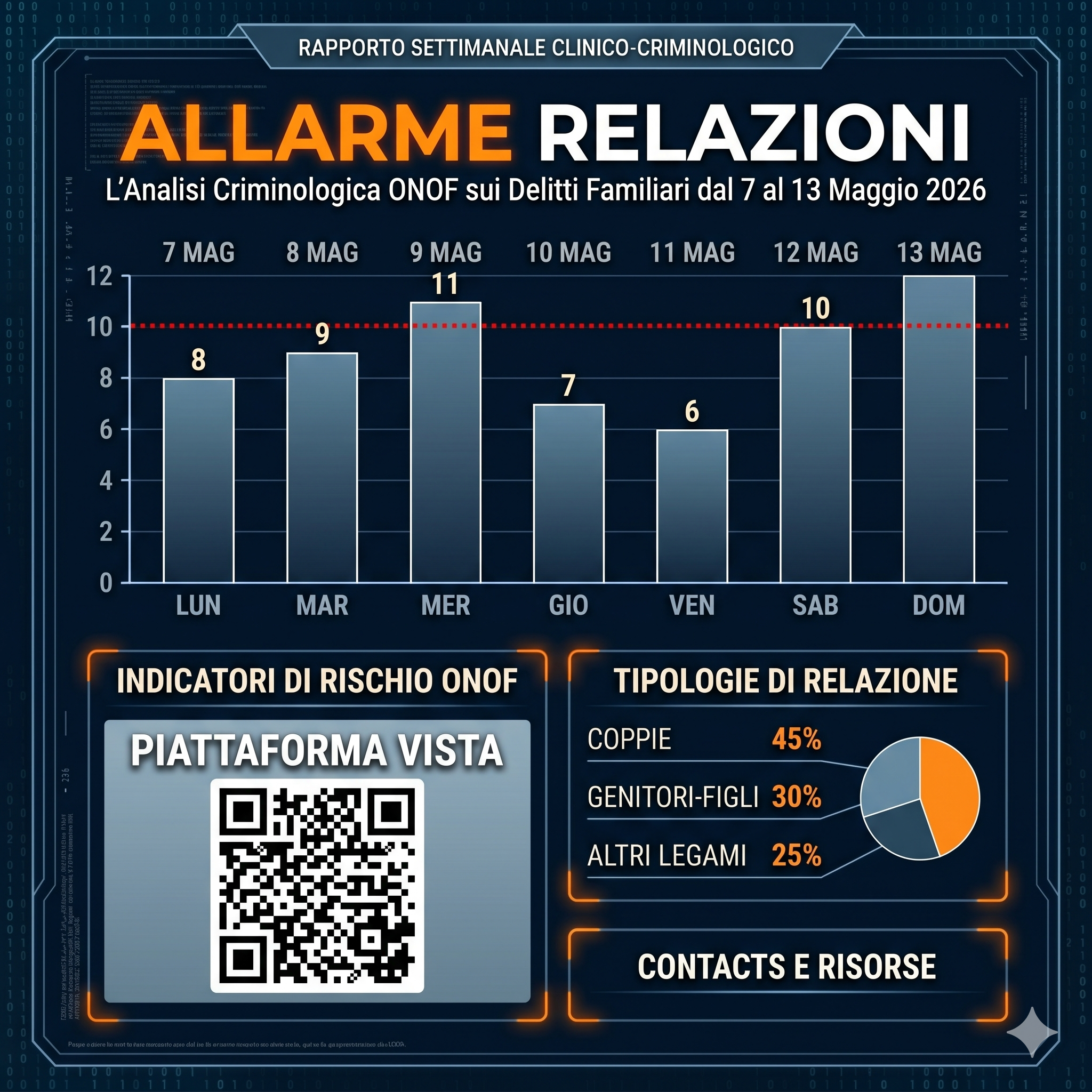
The analysis of domestic homicides and relational violence conducted by the AIPC (Italian Association of Psychology and Criminology) utilizes tools like the VERA Protocol for clinical risk assessment, focusing on the variable of the degree of familiarity.
- Degree of Familiarity: The text highlights how pain comes from a part that "was no longer part of me," a previously inhabited void. In relational psychotraumatology, the deepest trauma is that inflicted within close proximity bonds.
- Analysis of Domestic Homicides: Despair over the loss of "home" or habitat reflects the rupture of the attachment bond—a dynamic mirrored in AIPC’s analysis of domestic homicides.
From residue to healing: The AIPC/CIPR model
The transformation of the "stump" into a residual limb is the metaphor for resilience proposed by Lattanzi and Calzone.
- Acceptance of Limits: Moving from hiding a prosthesis out of shame to its conscious display mimics the therapeutic journey of integrating dissociated parts in C-PTSD.
- Care of the Residue: The practice of "gently massaging the stump" or "nurturing the residue" corresponds to biofeedback and emotional regulation techniques promoted by the CIPR to bring the patient back into their window of tolerance.
Conclusion
As emphasized in the recent Summit on February 13, 2026, the key to healing lies in the ability to transform phantom pain—whether physical or derived from relational trauma—into an "embrace" of one's own residual history. Only by integrating loss as part of the self is it possible to restore functional emotional regulation and prevent the passage to the act.
Support our work:
- 5x1000 Tax Donation: C.F. 97238660589
- Donations: IBAN AIPC IT83I0760103200000056039688
Contacts for Support:
- E-mail: aipcitalia@gmail.com
- WhatsApp: 3924401930 (Daily 11:00 AM – 4:00 PM)
- Website: www.associazioneitalianadipsicologiaecriminologia.it
.png "La clinica del passaggio all'atto: Report ONOF dei delitti familiari (14-20 Maggio 2026)")