PROACTIVE RELATIONAL INTELLIGENCE©2026 AIPC Edited by: Massimo Lattanzi and Tiziana Calzone
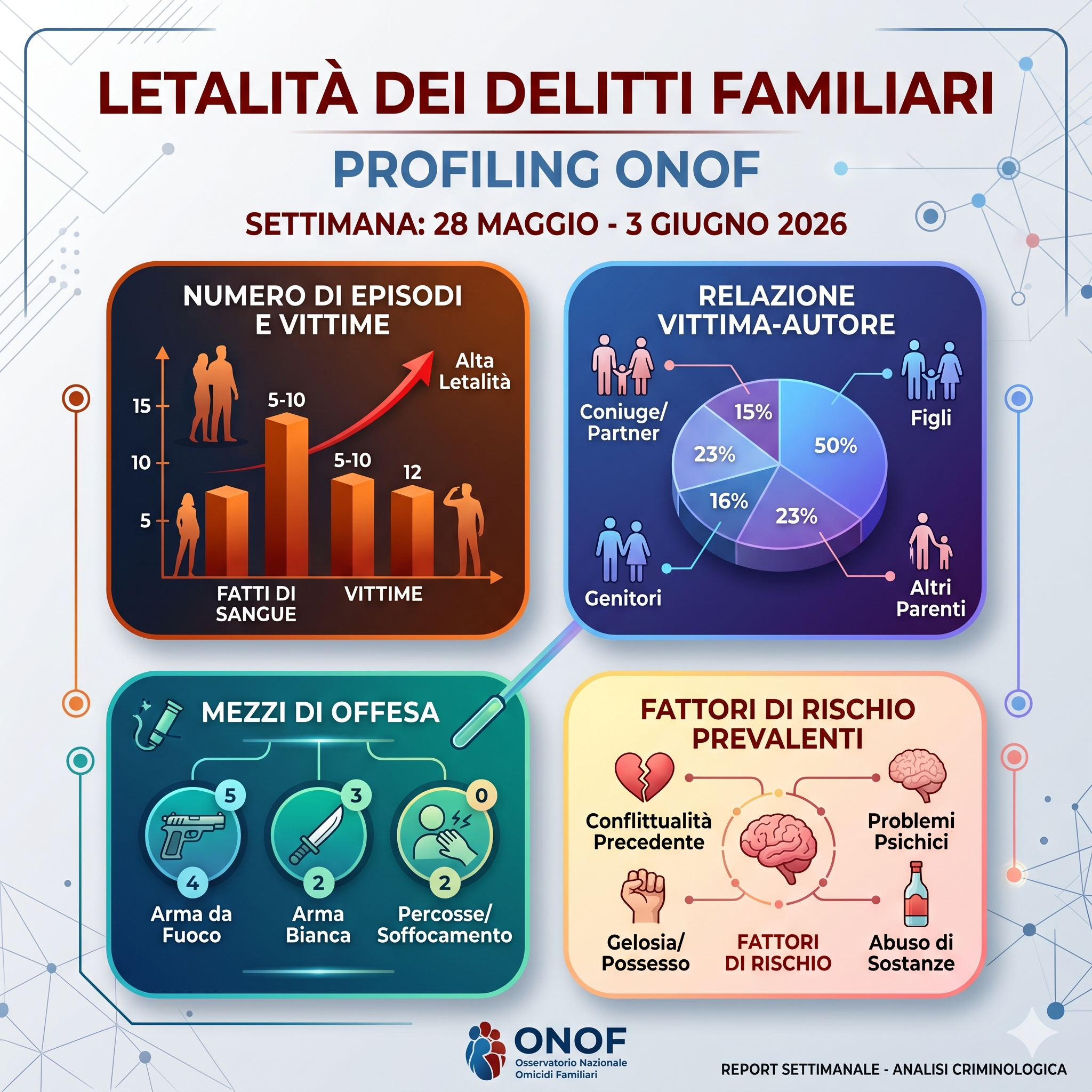
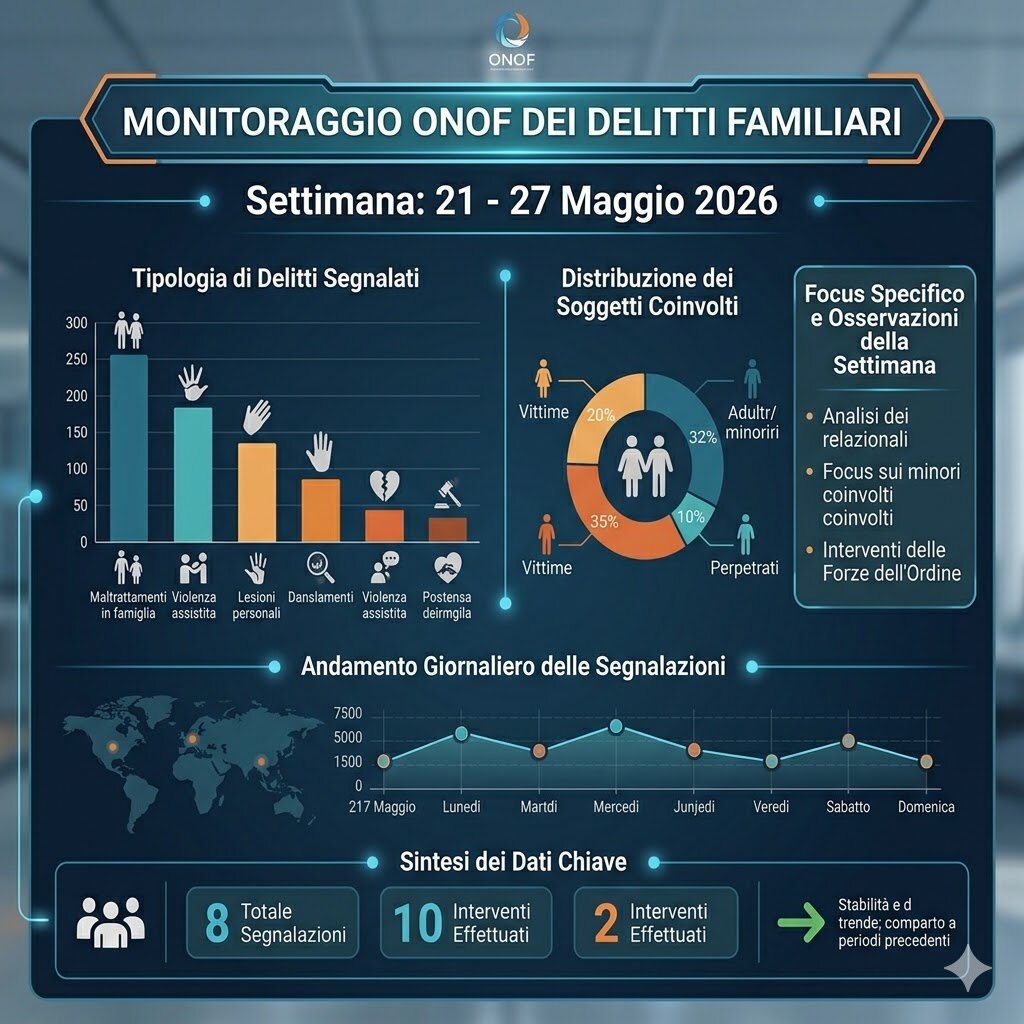
Entities: Italian Association of Psychology and Criminology (AIPC), Italian Center of Relational Psychotraumatology (CIPR), National Observatory on Family Homicide (ONOF).
The architecture of proactive relational intelligence
The architecture of proactive relational intelligence, framed within relational psychotraumatology, is configured as the supreme integration between the autonomic nervous system and the reflective capacity of the Self. According to the theoretical and clinical corpus developed by Lattanzi and Calzone, in synergy with research documented by CIPR, ONOF, and AIPC, it represents the elective antidote to the "repetition compulsion" that afflicts individuals with complex trauma.
The neuro-relational matrix: beyond cognition
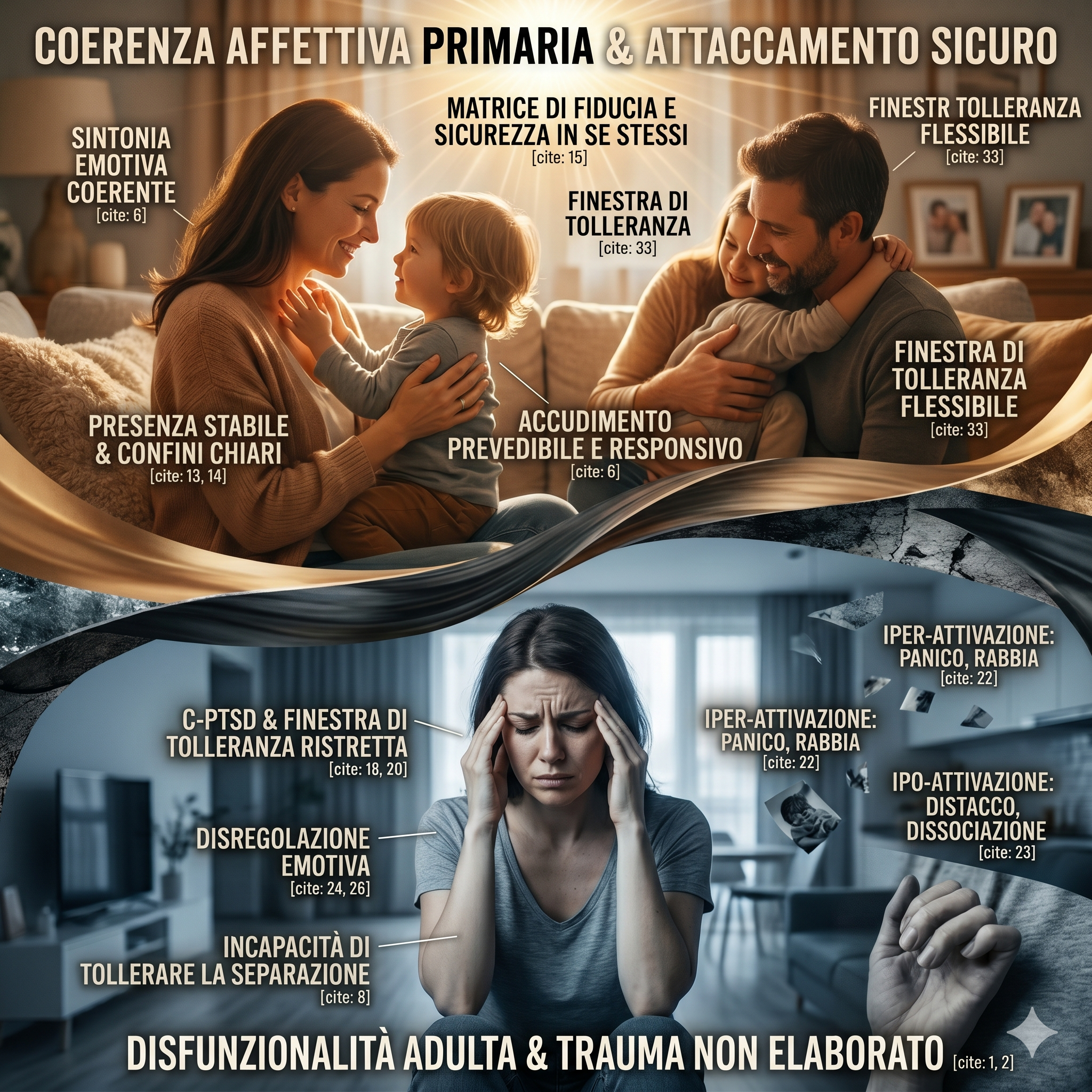
For professionals, relational intelligence must not be confused with cognitive empathy or "social skills." In clinical terms, it is the ability to maintain homeostasis within the window of tolerance during the activation of attachment systems. Research conducted at CIPR laboratories highlights that individuals with C-PTSD possess a markedly narrow window of tolerance.
In this context, relational intelligence acts as a neurophysiological modulator that prevents emotional dysregulation from escalating into a "passage to the act" (acting out). When the system detects a perceived threat within the bond, relational intelligence allows for the inhibition of the fight/flight response, preventing the loss of impulse control that underlies the phenomenology of family homicide and femicide.
The V.E.R.A. Protocol and the International Summit
On February 13, 2026, during the International Summit celebrating 25 years of AIPC activity, the V.E.R.A. Protocol (Violence Emotional Risk Assessment) will be officially presented. This tool represents the state of the art in predictive diagnosis and treatment of Relational C-PTSD, marking the definitive transition from descriptive clinical practice to neurobiological precision therapy.
- The Event: February 13, 2026 | Rome
- Theme: The presentation of the protocol will be the core of the International Summit "From C-PTSD to Pet Therapy."
- Key Insight: Research from the Rome and Pescara centers documents how the window of tolerance can be reopened and stabilized through these cutting-edge methodologies.
"The V.E.R.A. Protocol represents the watershed between the condemnation to repeat trauma and the concrete possibility of healing."
Participate in the International Summit * Date: February 13, 2026 (3:00 PM – 7:00 PM)
- Venue: SALA TEVERE, Lazio Region – Via C. Colombo, 212, Rome
- Contacts: WhatsApp 392 4401930 | aipcitalia@gmail.com
- Web: www.associazioneitalianadipsicologiaecriminologia.it
- Free entry. Registration mandatory. Certificate of attendance provided.
The "degree of familiarity" variable and clinical profiling
A fundamental pillar, central to AIPC protocols and ONOF analyses, is the decoding of the degree of familiarity variable. Relational intelligence requires analyzing the bond not through a social or sociological lens, but through a rigorous clinical lens.
The proactive relational psychotraumatology professional recognizes that extreme proximity acts as a trigger for the dissociative nuclei of trauma. A "relationally intelligent" individual is one who, supported by specialist therapeutic paths, learns to monitor their own activation threshold based on the proximity of the other. This monitoring transforms the bond from a space of potential abuse and possession into a place of affective attunement.
Listen to the podcast on the AIPC Editore Channel on Spotify, MENTE|CRIMINE|TRAUMA: “PROACTIVE RELATIONAL INTELLIGENCE”, click the link:
https://open.spotify.com/episode/5Wf6wkOlkxgL5hFMrx9Y88?si=eLMzmWwgTzOUpf9aCxOoeQ
Operational dimensions for a healthy bond
The descriptive translation of clinical processes reveals three lines of action for maintaining healthy relationships:
- Functional self-regulation: A constant safeguard against impulsivity. Through neurophysiological techniques, the subject learns to feel the "body that precedes the action," blocking the motor discharge of traumatic rage.
- Trauma meta-cognition: Clinical analysis of the degree of familiarity allows for the separation of the current partner from abusive figures of the past. This neutralizes the desire for coercive control, typical of those unconsciously seeking to repair ancient helplessness through present dominance.
- Stabilization of presence: The ability to remain "present to oneself" even during hyper-arousal ensures that conflict remains dialectical. The window of tolerance, expanded by clinical work, becomes the safe space where confrontation is no longer perceived as a threat to the survival of the Self.
Click the link and start the video description: https://youtu.be/3iUPMNWm5ws?si=ttd2fAuDy5SgraA9
Conclusions and clinical perspectives
In summary, for the clinician, proactive relational intelligence is the final result of a healing process that involves the stabilization of post-traumatic symptoms. There is no relational health without rigorous management of emotional dysregulation. As consistently emphasized by the guidelines of Lattanzi and Calzone, proactive relational intelligence is the only force capable of subverting traumatic destiny, transforming vulnerability into excellence in relational competence.
"The transition from reaction to conscious action marks the boundary between the pathology of the bond and the freedom of the relationship." ©2026 AIPC
© 2026 AIPC Editore – All Rights Reserved Any use, even partial, is prohibited without mandatory citation of the source (online, print, video, audio, reports, and publications). Violations will be prosecuted according to the law.