The eclipse of reason: A psychotraumatological analysis of a matricide
Edited by: Massimo Lattanzi and Tiziana Calzone.
Organizations: Italian Association of Psychology and Criminology (AIPC), Italian Center for Relational Psychotraumatology (CIPR), National Observatory on Domestic Homicides (ONOF).
Introduction
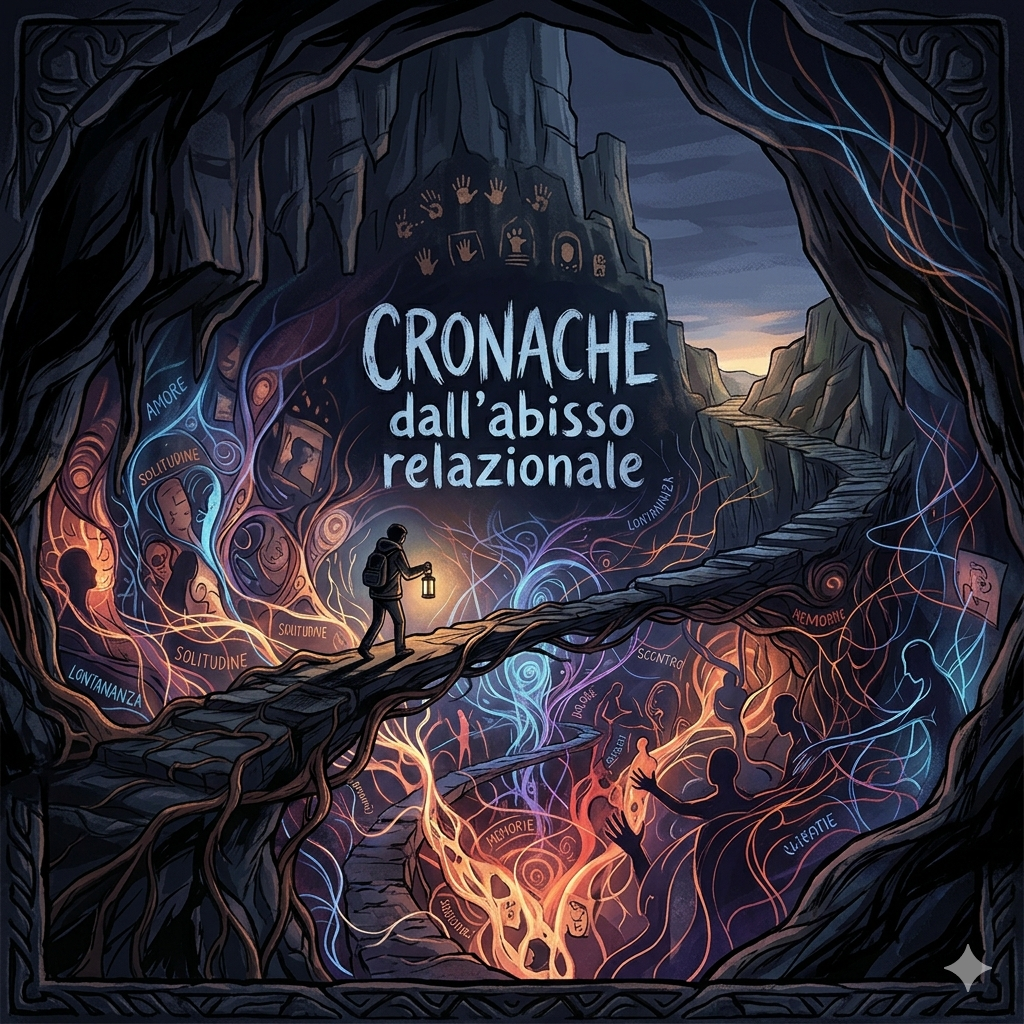
The 25th anniversary of AIPC (Italian Association of Psychology and Criminology) compels us to engage in a rigorous reflection on the boundaries between apparent normalcy and the criminal abyss. In this quarter-century dedicated to research and support, we have learned that crime—especially when committed within the heart of the family unit—is never an isolated event, but the tragic outcome of invisible relational patterns and unhealed psychic wounds. The case we analyze today represents the quintessence of this complexity: a socially integrated man who, under the pressure of suffocating symbiotic dynamics, sees his inhibitory barriers collapse in an act of unprecedented violence against his mother.
The Dynamics of the Crime: Between Overkilling and Dissociation
The murderous event was not a momentary impulse, but an escalation of physical violence that moved through various rooms of the home. In forensic terms, the nature of the aggression is defined as "overkilling," characterized by a destructive fury that suggests a temporary suspension of critical capacity and judgment. The subject acted in a state of "agonistic trance," completely absorbed by the destructive impulse, indicating pervasive dissociation.
Once the circuit of violence was broken, the perpetrator slipped into a state of prostration and apparent catatonia, waiting for authorities without resisting. This "blackout" described by the defendant can be framed as a short-circuit reaction or a "twilight state," where an emotion of intolerable intensity overwhelms the higher cortical functions responsible for impulse control.
The Lens of Relational Psychotraumatology
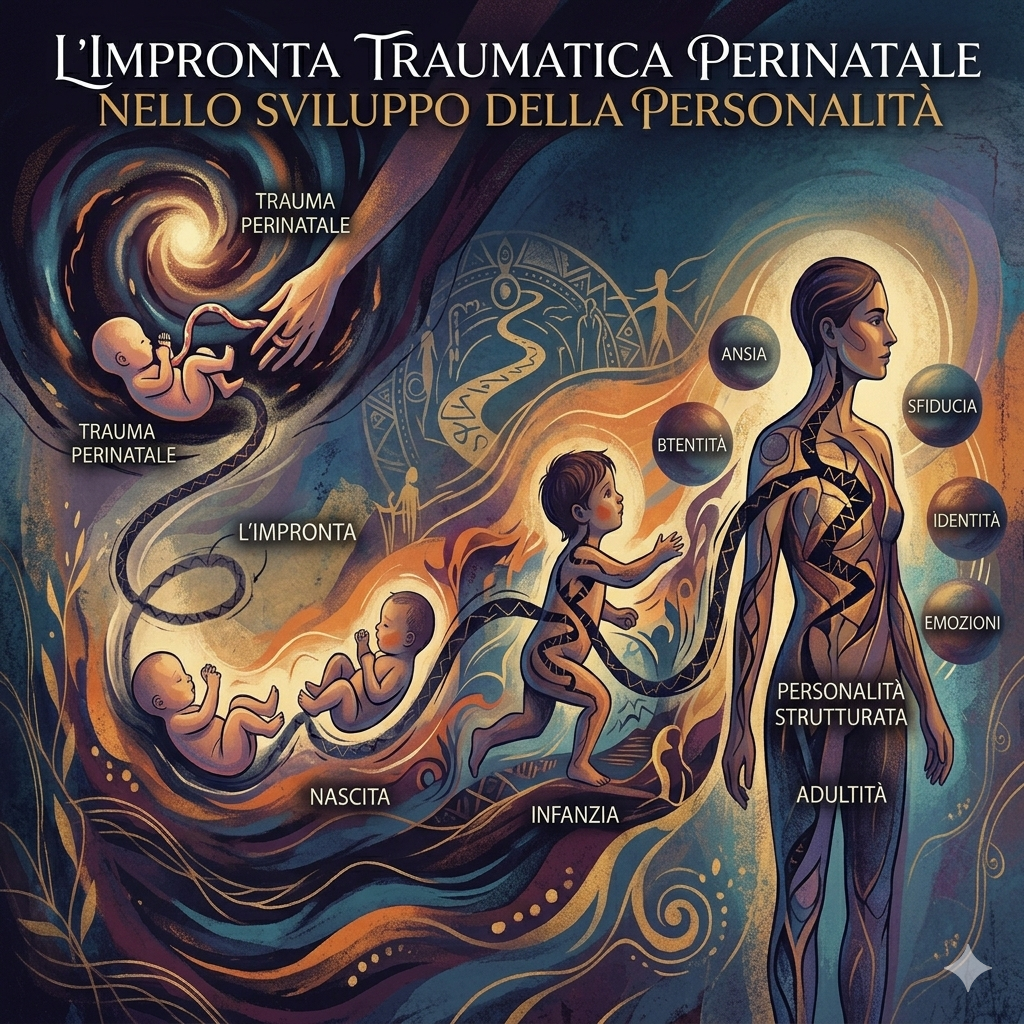
An analysis of the case reveals a fragile personality structure marked by diffuse identity and an inability to manage negative emotions without an external relational container. Relational psychotraumatology allows us to interpret this event through:
- Degree of Familiarity: In domestic homicide, the victim is often perceived alternately as a safe harbor or an insurmountable obstacle to autonomy. In this case, the degree of familiarity amplified the loyalty conflict between the maternal figure and the project of an independent life with a spouse.
- Window of Tolerance and C-PTSD: In individuals with a history of Complex Trauma (C-PTSD), the emotional window of tolerance is extremely narrow. Stressful events—such as the loss of the father figure (the sole mediator), the failure of a parenthood project, and economic restrictions perceived as symbolic "castrations"—lead to an exit from this window, triggering a grave passage to the act as a loss of impulse control.
- Emotional Dysregulation: The lack of internal tools to modulate affective states transforms frustration into uncontrollable motor aggression. The final trigger was an act of "symbolic murder" committed by the victim: the destruction of memories related to the son's wedding, perceived as the annihilation of his dignity.
Evaluation and Prevention Tools: VERA and the "I AM WELL!" Project
AIPC promotes the use of scientific tools such as the VERA protocol for the assessment of violence and recidivism risk, shifting focus from clinical analysis alone to an integrated vision of environmental and relational factors.
During the International Summit on February 13th, particular emphasis was placed on the "STO BENE!" (I AM WELL!) project. This initiative aims to support emotional regulation and prevent violence through psychological support and psychophysiological monitoring (including biofeedback). The goal is to intercept individuals who, while not showing overt psychotic disorders, present severe narcissistic fragility and impulse dysregulation before relational pressure becomes unsustainable.
Conclusion: A Commitment to Change
The analyzed case is a painful testament to how a mind, finding no other way out, may choose the destruction of the original "object of love" in an attempt to save itself from psychological annihilation. Supporting AIPC means fueling research and ensuring support for those silently living through relational trauma.
Support our work:
- 5x1000 Tax Donation: C.F. 97238660589
- Donations: IBAN AIPC IT83I0760103200000056039688
Contacts for Support:
- E-mail: aipcitalia@gmail.com
- WhatsApp: 3924401930 (Available daily 11:00 AM – 4:00 PM)
- Website: www.associazioneitalianadipsicologiaecriminologia.it
..png "Delitti familiari e reati di prossimità: il report settimanale ONOF (18-24 giugno 2026).")