From the abyss of shame to relational rebirth: the clinical practice of complex trauma and the healing of the self
By: Dr. Massimo Lattanzi and Dr. Tiziana Calzone
Organizations: Italian Association of Psychology and Criminology (AIPC), Italian Center for Relational Psychotraumatology (CIPR), National Observatory on Family Homicides (ONOF).
Abstract
This work analyzes the transition from the fear paradigm, typical of PTSD, to the pervasiveness of shame in C-PTSD. By integrating David Bedrick’s theories with the VERA protocol, we explore how trauma—defined as an experience of abuse lacking an adequate witness—determines emotional dysregulation that narrows the window of tolerance, leading to severe acting out. The document examines power dynamics and rank, correlating somatic symptomatology with intergenerational wounds. Through clinical cases from the CIPR centers in Rome and Pescara, it is highlighted how the figure of the "compassionate witness" and the somatic approach are the elective tools to interrupt cycles of violence.
1. Shame in C-PTSD vs. Fear in PTSD
- While PTSD is often a response to a single event dominated by fear, C-PTSD arises from a long-term process where shame becomes the victim's identity.
- Shame hinders healing because it leads the person to believe they are "defective" or worthless.
- In C-PTSD, moving outside the window of tolerance (which is extremely narrow due to relational trauma) causes a loss of impulse control and severe acting out.
- Dissociation acts as a protective reflex and a natural response to distance oneself from otherwise intolerable pain.
- After-effects include concentration difficulties, physical symptoms such as tinnitus or chronic pain, and unsatisfactory relational patterns.
Training event: brain awareness week 2026
In occasion of Brain Awareness Week 2026, AIPC, CIPR, and ONOF present:
Brain Awareness Week 2026: The mind at the center of prevention. Don't miss the free webinar on March 27, 2026, 5:30 PM – 6:30 PM.
"UNDERSTANDING THE MIND TO PREVENT VIOLENCE." Together, we will explore clinical tools to recognize and prevent violence through emotional regulation.
2. Dynamics of violence and familiarity
- Violence is rooted in the absence of consent and the abuse of power exercised by those with higher rank.
- Rank: Those with greater power tend to be blind to the negative effects they exert on others.
- Family Silence: Many abuses occur in domestic secrecy, where victims introject the critical gaze of parents.
- Femicide and Familiarity: The AIPC lens analyzes the variable of the degree of familiarity; the family aggressor ends up representing entire introjected social systems of oppression.
- The Aggressor and Shame: Understanding the aggressor's violence is not intended to absolve them, but to make them aware of their vulnerability to prevent new attacks.
3. Clinical evidence: CIPR Centers in Rome and Pescara
- Case (Rome): A patient presented deep fragmentation due to constant micro-aggressions. Therapy focused on the somatic approach (sensations, movements, sounds) to recover the "lost qualities" buried by shame.
- Case (Pescara): A user with a history of intergenerational trauma showed how punishments inflicted to cause pain had destroyed his empathy. Clinical work allowed the integration of the shadow, shedding light on rejected parts of the self.
Conclusion
The true challenge of relational psychotraumatology lies not only in symptom management but in the radical transformation of "feeling defective" into a new self-awareness. Breaking free from shame means restoring the victim's right to a Compassionate Witness and providing the aggressor the possibility to break the chain of intergenerational trauma. Only through the integration of buried qualities and listening to the body can we move from the condemnation of repetition to the freedom of healing.
How you can concretely contribute to our work:
- 5x1000: C.F. 97238660589
- Donations: IBAN AIPC IT83I0760103200000056039688 Together, we can transform silent suffering into a path of healing, so that the "window of tolerance" becomes a space for life and not the limit beyond which tragedy unfolds.
For information and appointments: Website: www.associazioneitalianadipsicologiaecriminologia.it
Email: aipcitalia@gmail.com
WhatsApp: 3924401930
Do not delay the chance to embark on a path of change. The first step toward healing is not facing this journey alone. We are here for you.
Bibliographic References
- Bedrick, D., Breaking Free from Shame: Theoretical and Clinical Insights.
- Lattanzi, M., Calzone, T., Manual of Relational Psychotraumatology, AIPC Editore.
- Lattanzi, M., Relational Risk Assessment: The VERA Protocol, AIPC Editore.
- C.F. AIPC: 97238660589.
© 2026 AIPC Editore – All rights reserved. Use, even partial, is prohibited without mandatory citation of the source for any modality (online, print, video, audio, reports, and publications). Violations will be prosecuted according to the law.
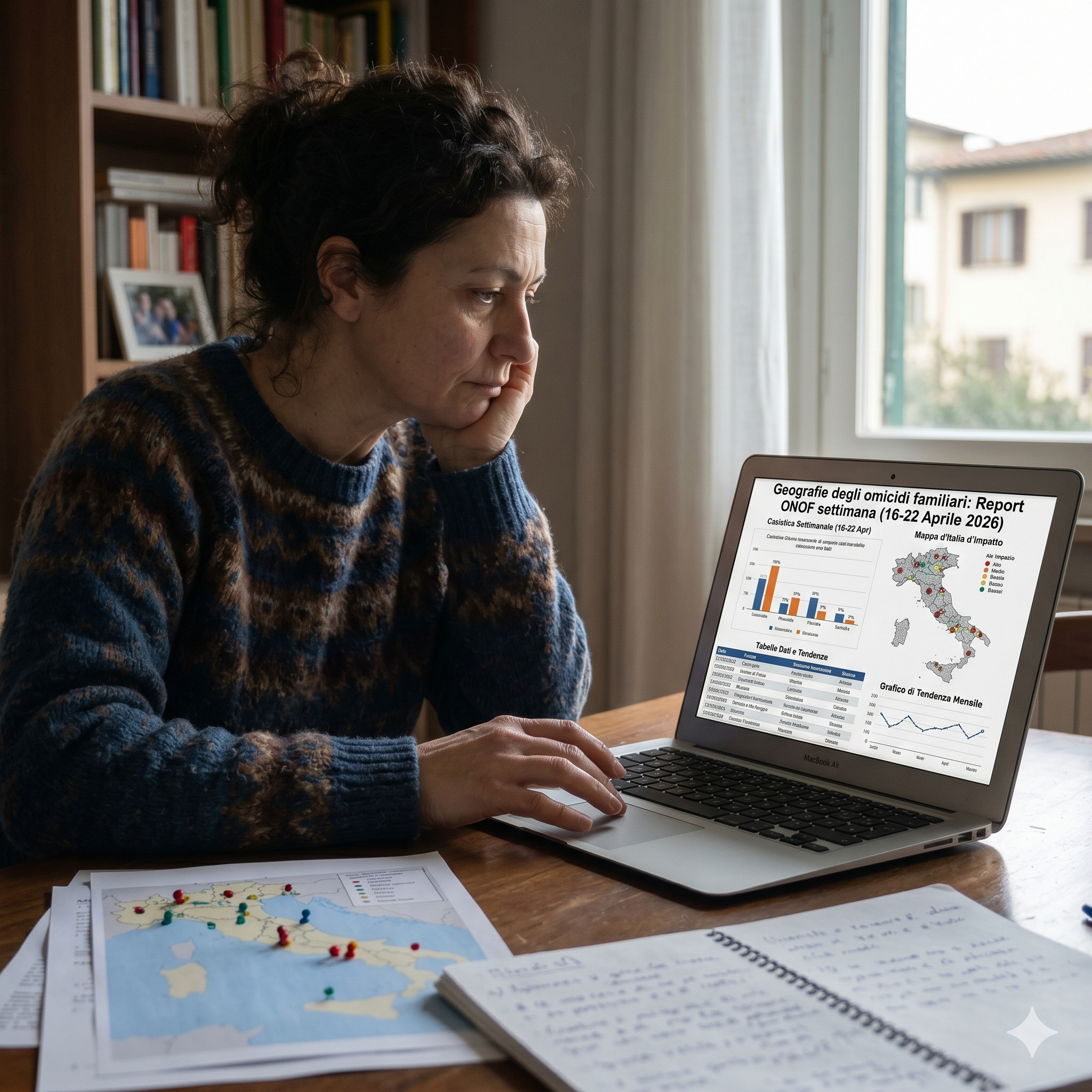
.png "Genere, familiarità e vulnerabilità nei delitti familiari: Report ONOF (23-29 Aprile 2026)")