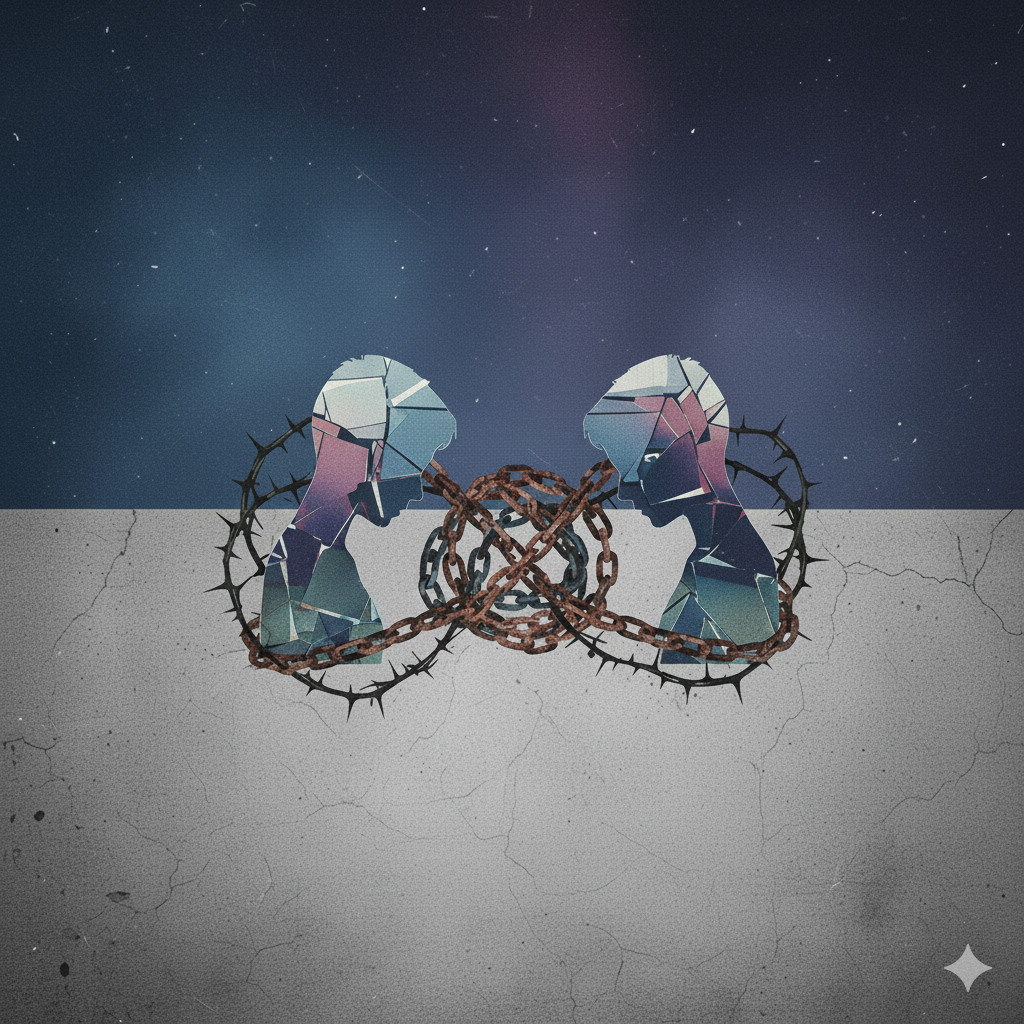
AI and Relationships: The New Frontier of Post-Traumatic Self-Care
Clinical Intervention Proposal for Overcoming the Digital Surrogate
Edited by: Tiziana Calzone, Massimo Lattanzi, Alice Russo, Elisa Ninvaggi, Federica Ruffini, Federico Maroli, Francesca Candus, and Giulia Trovato.
Reference Entities: Italian Association of Psychology and Criminology (AIPC), Italian Center for Relational Psychotraumatology (CIPR), National Observatory on Family Homicides (ONOF).
Abstract
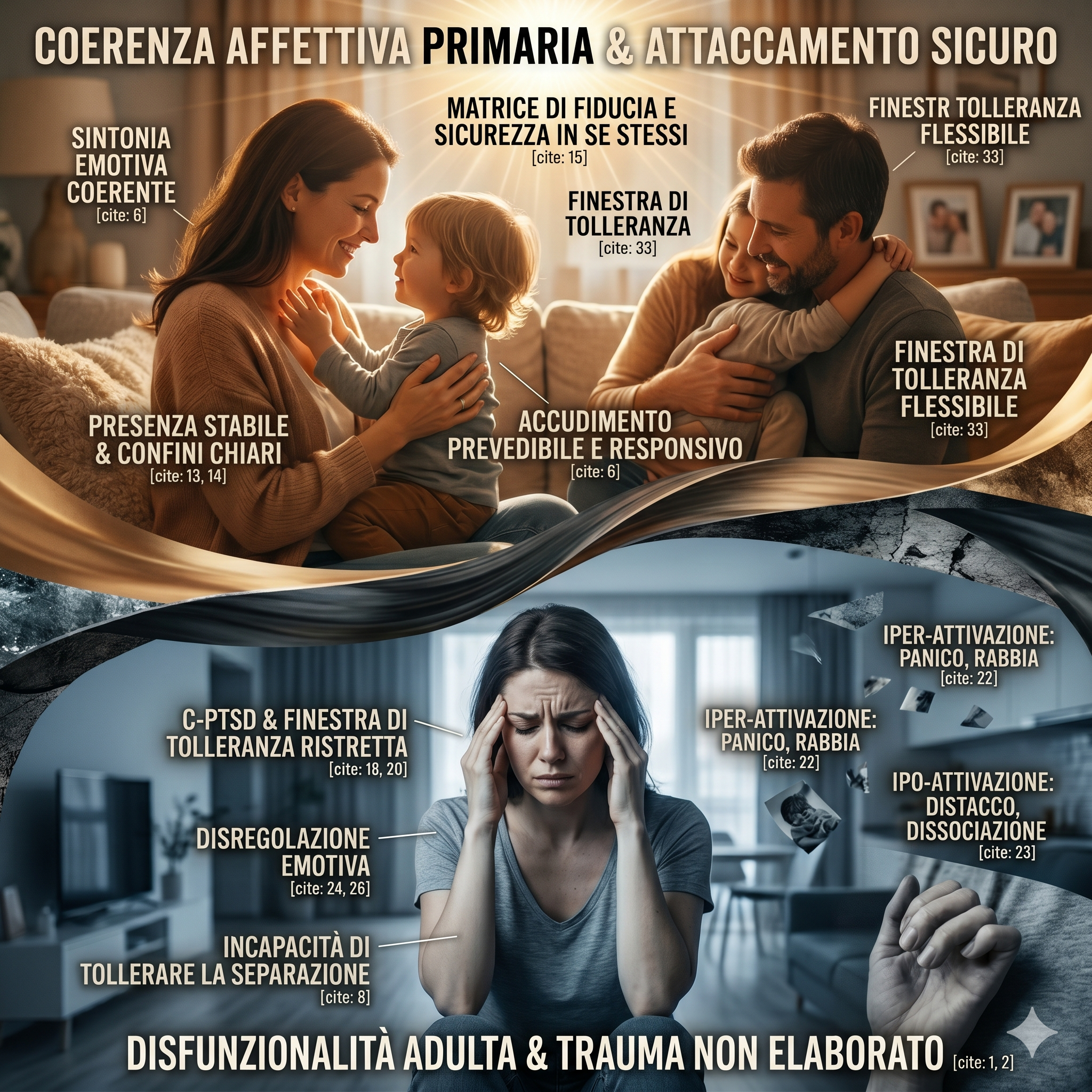
This paper analyzes the critical interaction between Artificial Intelligence (AI) and relational trauma, focusing on the improper use of chatbots as "self-care" tools in post-divorce scenarios. Through the lens of relational psychotraumatology, it examines how emotional dysregulation and the narrowing of the window of tolerance — typical of C-PTSD — transform the algorithm into a toxic affective surrogate. We propose an integrated assessment protocol using the S.A.R.T. scale (AI and Traumatic Relationships Scale) and Biofeedback to dismantle technological dependence and restore biological resilience.
Introduction: The Digital Shelter as "False Care"
Recourse to AI following a traumatic breakup represents a desperate attempt at self-regulation. In the absence of a validated clinical path, individuals seek to soothe anguish through a digital "cure" that mimics emotional attunement. AI becomes an affective surrogate with unlimited availability; however, this interaction only chronicizes the trauma, replacing reality with an algorithmic illusion that can push the subject beyond the boundaries of their psychic stability.
* The Illusion of Attunement: The AI interface mirrors the user's needs, triggering a massive projection that erases the boundary between self and algorithm.
* Severe Acting Out: The collapse of impulse control occurs when the emotional system short-circuits. Suicide or self-harm emerges as a loss of the ability to remain within one's window of tolerance, often stimulated by a virtual familiarity that dangerously mimics primary attachment bonds.
Clinical Protocol: Psychodiagnostic and Psychophysiological Assessment
1. Assessment with the S.A.R.T. Scale
The diagnostic pillar of this proposal is the S.A.R.T. (AI and Traumatic Relationships Scale). This tool allows for:
* Quantifying Dependence: Measuring the degree of emotional "hooking" toward AI as an attempt at self-therapy.
* Identifying Risk: Assessing the perception of familiarity with the algorithm and the extent to which it replaces human relationships.
* Detecting Vulnerability: Identifying warning signs of potential severe acting out mediated by digital interaction.
2. Biofeedback Integration
Biofeedback represents the objective clinical response to AI’s "false regulation." While the chatbot deludes the subject into feeling understood, biofeedback allows the person to truly understand and govern their own body.
* Mapping Dysregulation: Real-time visualization of how thoughts of AI or trauma alter Heart Rate Variability (HRV) and Skin Conductance.
* Expanding the Window of Tolerance: Through monitor visualization, the patient learns to recognize signs of hyper-arousal (RAGE/FEAR) and utilize grounding techniques to regain balance.
3. De-technologizing Emotion
The intervention aims to transform impulse into thought. Utilizing S.A.R.T. data, the clinician guides the patient to recognize that the tension driving them toward AI is a physiological signal manageable autonomously. The goal is to return the individual to the warmth of reality and the safety of a true relational window of tolerance.
Support and Research: Preventing family homicides requires specialized clinical paths. You can concretely contribute to our work: 5x1000: C.F. 97238660589. Liberal donations: IBAN AIPC IT83I0760103200000056039688.
Conclusion: Healing is Real Reconnection
In this unsettling scenario, education and awareness act as the watershed between the condemnation to repetition and the possibility of healing. The integrated use of S.A.R.T. and Biofeedback marks the fundamental transition from passive dependence to active autonomy. True healing does not come through the voice of an algorithm, but through the ability to safely re-inhabit one's own body.
Awareness Campaign – May 2026
Title: "Beyond the Algorithm: Reconnect Relationships to Reality"
Participate in the Survey: "AI and Relationships: The New Frontier of Post-Traumatic Self-Care." Dedicated to those aged 18–30. Anonymous test based on the S.A.R.T. scale. Click to participate: https://docs.google.com/forms/d/e/1FAIpQLScSYhsokwfKvkV_sIObbgkWtiB1wcfZajTBzNZWb8bRmOfStw/viewform?usp=publish-editor
Presentation: In May, CIPR and AIPC launch a campaign dedicated to preventing AI dependence as post-traumatic self-therapy. An algorithm cannot heal a fragmented heart; it can only simulate doing so. Through seminars and free screenings using the S.A.R.T. scale and Biofeedback demonstrations, we promote a return to biological regulation and human relational safety.
Support and Contacts
Email: aipcitalia@gmail.com
WhatsApp: +39 3924401930 (Available daily 11:00 AM – 4:00 PM CET)
Website: www.associazioneitalianadipsicologiaecriminologia.it
Tax Code (CF): 97238660589
© 2026 AIPC Editore – All Rights Reserved
Any use, even partial, without mandatory citation of the source is prohibited. Violations will be prosecuted according to the law.
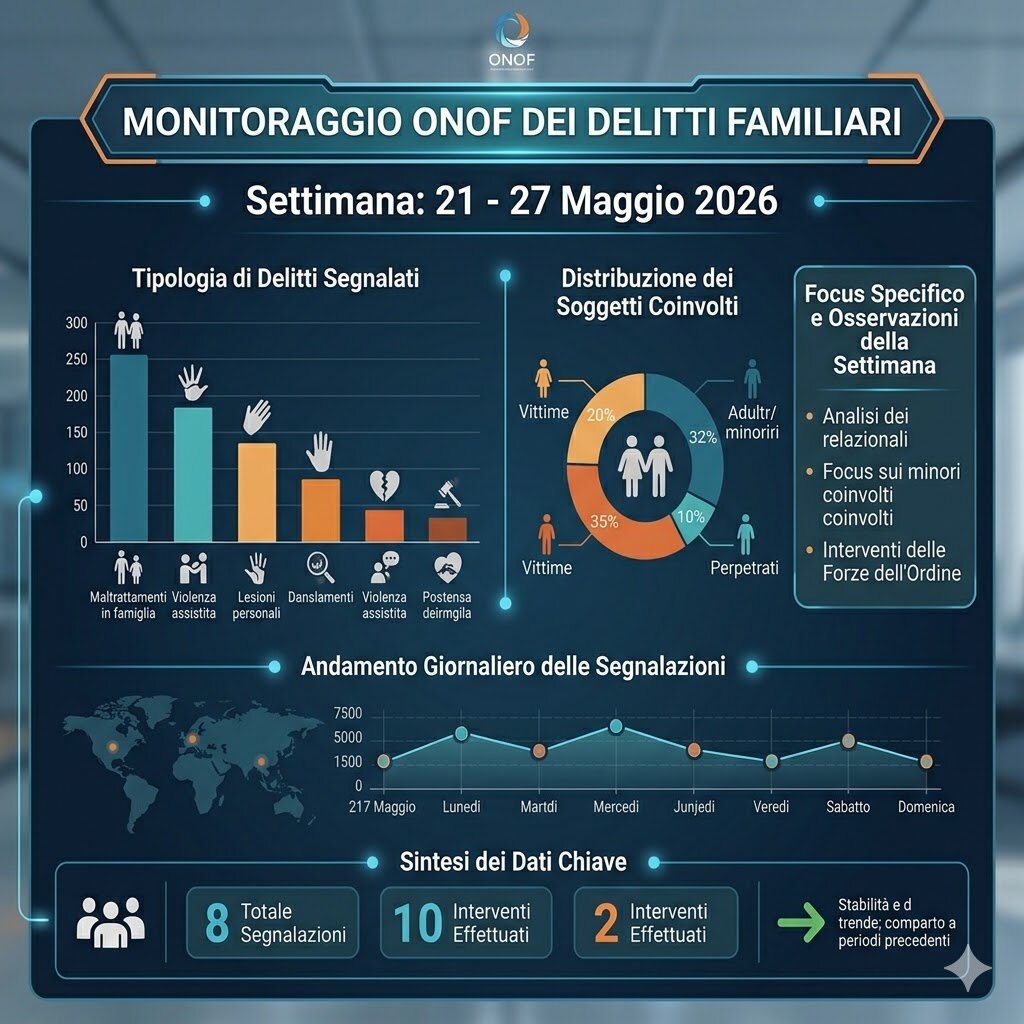
.png "La clinica del passaggio all'atto: Report ONOF dei delitti familiari (14-20 Maggio 2026)")