
100% male victims in family homicides. ONOF Report: february 26 – March 4, 2026
Edited by: Tiziana Calzone, Massimo Lattanzi, and Francesca Candus
Reference entities: Italian Association of Psychology and Criminology (AIPC), Italian Center for Relational Psychotraumatology (CIPR), National Observatory on Family Homicides (ONOF).
Abstract
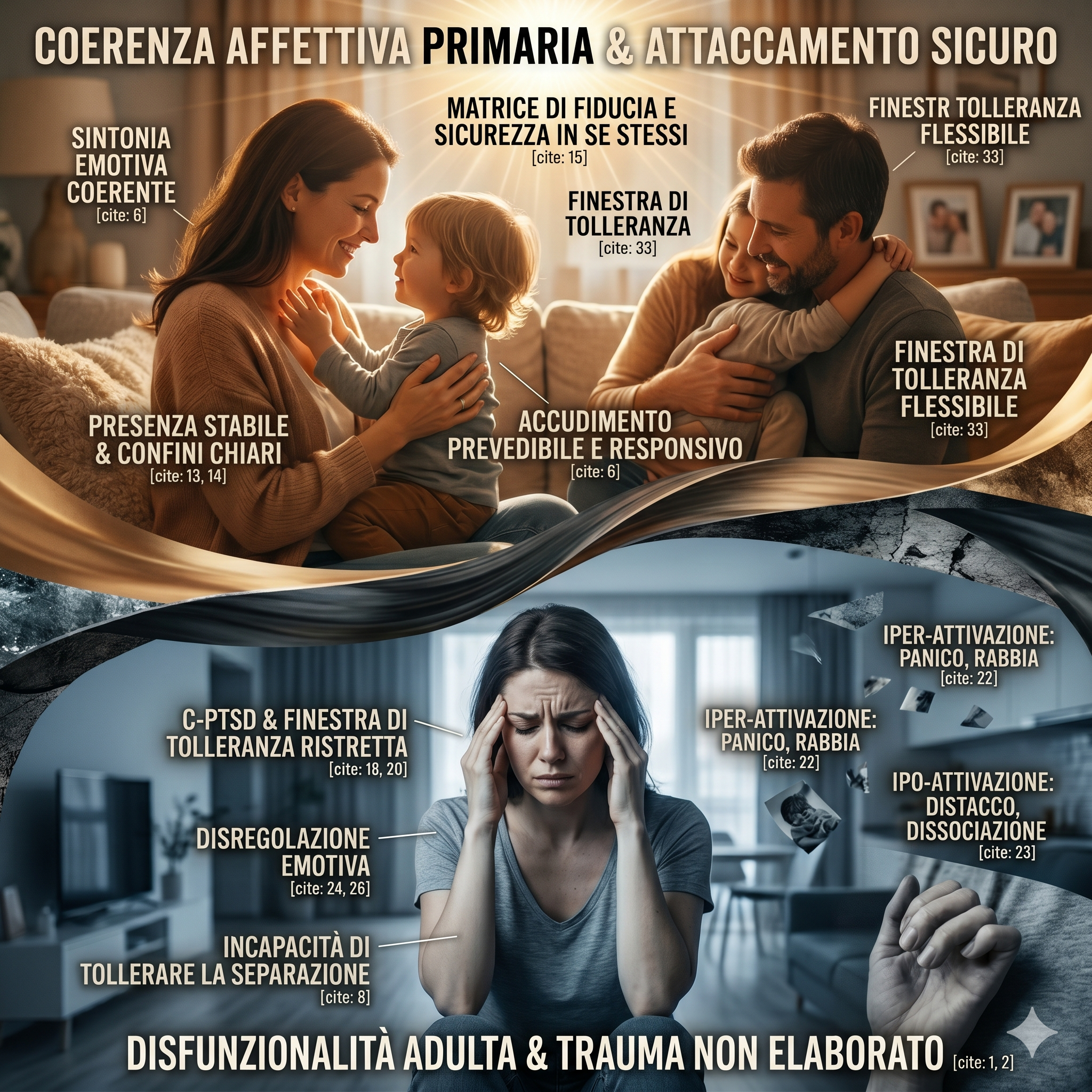
This study analyzes the incidence of family crimes between February 26 and March 4, 2026. Through the lens of relational psychotraumatology, violence is interpreted as the result of severe emotional dysregulation and the exceeding of the window of tolerance, which is particularly narrow in individuals with C-PTSD (complex trauma). Data collected via OSINT from news outlets highlight an absolute prevalence of male homicide victims (100%) and the exclusive use of bladed weapons, signaling impulsive acting-out linked to a loss of impulse control.
Brain Week 2026: The Mind at the Center of Prevention. Don’t miss the free webinar on March 27, 2026, 5:30 PM – 6:30 PM: "UNDERSTANDING THE MIND TO PREVENT VIOLENCE." We will explore clinical tools to recognize and prevent violence through emotional regulation. Click the link to participate: https://www.settimanadelcervello.it/event/comprendere-la-mente-per-prevenire-la-violenza/
OSINT Methodology and VERA Protocol
The reported data were extracted and analyzed using OSINT (Open Source Intelligence), based on news reports rather than institutional sources. For risk assessment, the multidisciplinary team utilizes the VERA (Violence Emotional Risk Assessment) protocol, focusing on the emotional dimension of severe acting-out. Unlike the ASVS protocol, which is dedicated to risk assessment from a clinical perspective, the VERA protocol allows for the decoding of emotional dysregulation and the hyper-activation of threat systems in response to relational trauma, analyzing the degree of familiarity variable that qualifies the bond between perpetrator and victim.
Macro-Profile Analysis by Gender and Crime Type
The analysis highlights profound structural differences between completed homicides and attempted homicides, outlining distinct gender macro-profiles.
- Male Gender Profile
Men emerge as the primary victims of the week, representing 100% of homicide victims and 80% of attempted homicide victims. The profile of the male homicide victim is concentrated in the 54-71 age group (100%), targeted equally by partners (50%) and acquaintances (50%).
As perpetrators, men are responsible for 50% of homicides and 80% of attempted homicides. The male perpetrator macro-profile shows actions predominantly in the 36-53 age group, targeting acquaintances exclusively (100%) and operating solely in Northern Italy (100%).
- Female Gender Profile
Women do not appear among homicide victims (0%), but represent 20% of attempted homicide victims, targeted exclusively by acquaintances (100%) in the South and Islands.
As perpetrators, women are responsible for 50% of homicides and 20% of attempted homicides. Their macro-profile is characterized by a more mature age (54-71 group), with a specific relational target: they exclusively strike their partner (100%) and act solely in the South and Islands (100%).
- Homicides vs. Attempted Homicides
While in homicides the victim is always male and the age is fixed (54-71), in attempted homicides, the relational range expands to include relatives (40%) alongside acquaintances (60%), with a geographical distribution favoring the North (60%). In both categories, bladed weapons were used in 100% of cases, confirming the impulsive nature of the attacks.
Psychotraumatological Analysis: The Livorno Case
A homicide in a professional office in Livorno exemplifies the dynamics of severe acting-out:
- The Bond: The perpetrator and victim were linked by a degree of familiarity classified as "acquaintances/colleagues."
- Dysregulation: The attack with a bladed weapon suggests massive emotional dysregulation due to falling outside the window of tolerance.
- Acting-Out: The act represents the peak of hyper-activation of threat systems; the offender fails to mediate conflict through thought, resorting to impulsive physical violence to terminate an intolerable state of tension, typical of relational trauma frameworks documented by CIPR and AIPC research.
Support and Research: Preventing family homicides requires specialized clinical pathways and the integration of advanced methodologies like biofeedback. You can concretely contribute to our work: 5x1000: C.F. 97238660589. Donations: IBAN AIPC IT83I0760103200000056039688.
Conclusion
The data confirm that the risk of violence involves the entire familiarity network, transcending gender biases. The evidence of the exclusive use of bladed weapons underscores the dysregulated nature of these acts. It is essential to adopt protocols like VERA to identify emotional risk signals before the narrowing of the window of tolerance leads to final relational collapse.
Support and Contacts
E-mail: aipcitalia@gmail.com
WhatsApp: +39 3924401930 (Active daily 11:00 AM - 4:00 PM)
Website: www.associazioneitalianadipsicologiaecriminologia.it
.png "La clinica del passaggio all'atto: Report ONOF dei delitti familiari (14-20 Maggio 2026)")