Correlation between states of sedation, dissociation, and C-PTSD: The somatic trauma of helplessness
Editors: Massimo Lattanzi, Tiziana Calzone Reference Organizations: AIPC (Italian Association of Psychology and Criminology), CIPR (Italian Center for Relational Psychotraumatology), ONOF (National Observatory on Family Homicides).
Support and Research: The prevention of family homicides requires specialized clinical pathways and the integration of advanced methodologies such as biofeedback. You can concretely contribute to our work:
5x1000: C.F. 97238660589
Donations: IBAN AIPC IT83I0760103200000056039688 or via postal account no. 56039688.
Abstract
This contribution analyzes the complex interaction between levels of pharmacological sedation and states of traumatic dissociation in individuals suffering from Complex Post-Traumatic Stress Disorder (C-PTSD). Through a neurophysiological and relational psychotraumatological lens, it examines how the progressive reduction of consciousness—from anxiolysis to general anesthesia—can act as a somatic trauma. The investigation highlights that, for individuals with a narrow window of tolerance, the drug-induced loss of control mimics the learned helplessness of original traumas, potentially triggering emotional dysregulation and severe acting-out. The integration of the VERA (Violence Emotional Risk Assessment) protocol emerges as a fundamental tool for risk assessment and the prevention of re-traumatization in clinical settings.
The continuum of sedation and dissociation
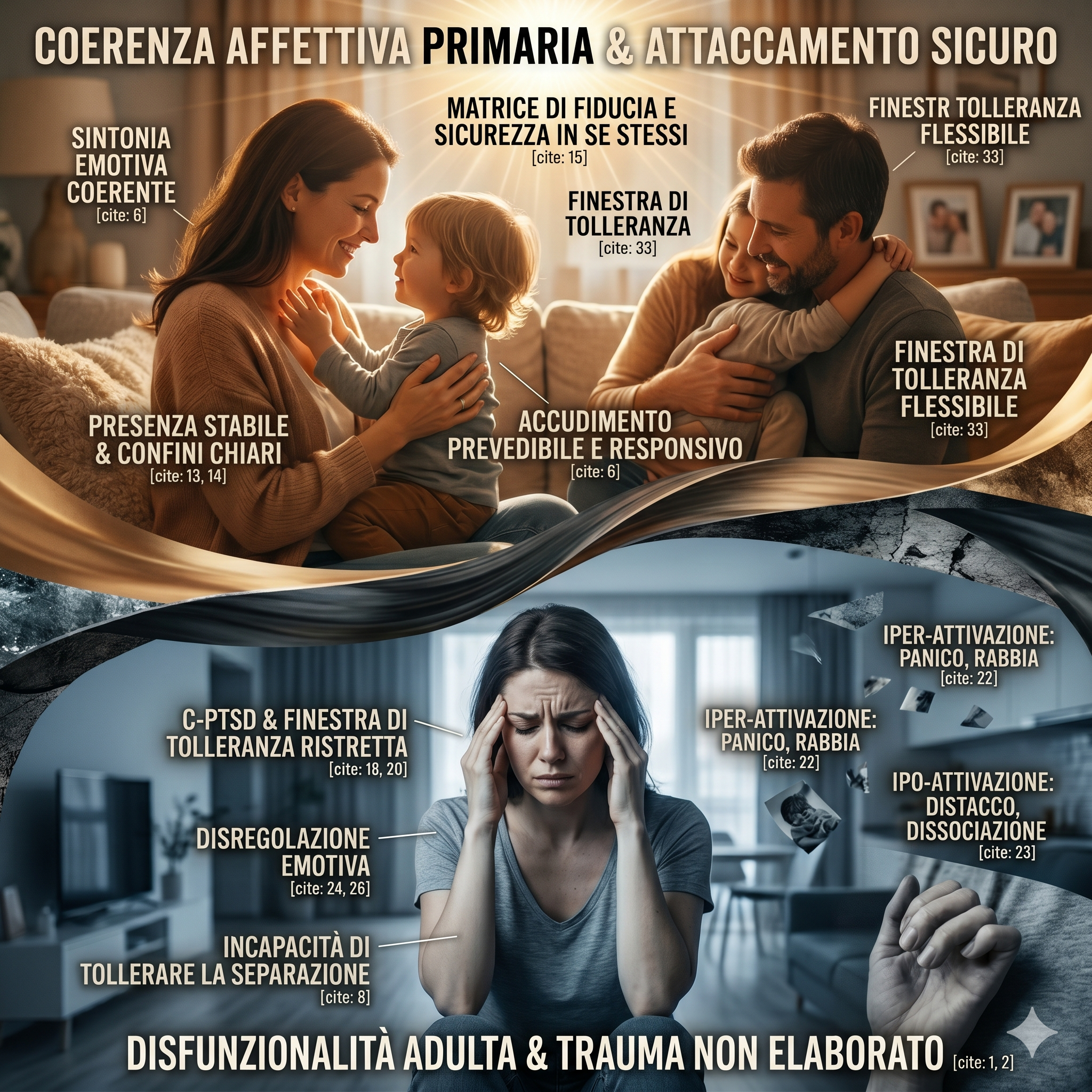
In people with C-PTSD, any alteration of consciousness is interpreted by the nervous system as a threat to the integrity of the Self. The clinical path of sedation intertwines with four stages of traumatic dissociation:
- Light Sedation - Ideational Dissociation: Anxiolysis phase with minimal depression of consciousness. The risk of somatic trauma is contained as agency remains, although the lowering of defenses may favor intrusive flashbacks.
- Moderate Sedation - Depersonalization/Derealization: The patient perceives their own body as "foreign." The loss of motor control recalls the helplessness of relational traumas, elevating the risk of emotional dysregulation.
- Deep Sedation - Somatoform Dissociation: Corresponds to the shutdown of the dorsal vagal system. Forced immobilization is recorded in procedural memory as "apparent death," consolidating high somatic trauma due to the impossibility of escape.
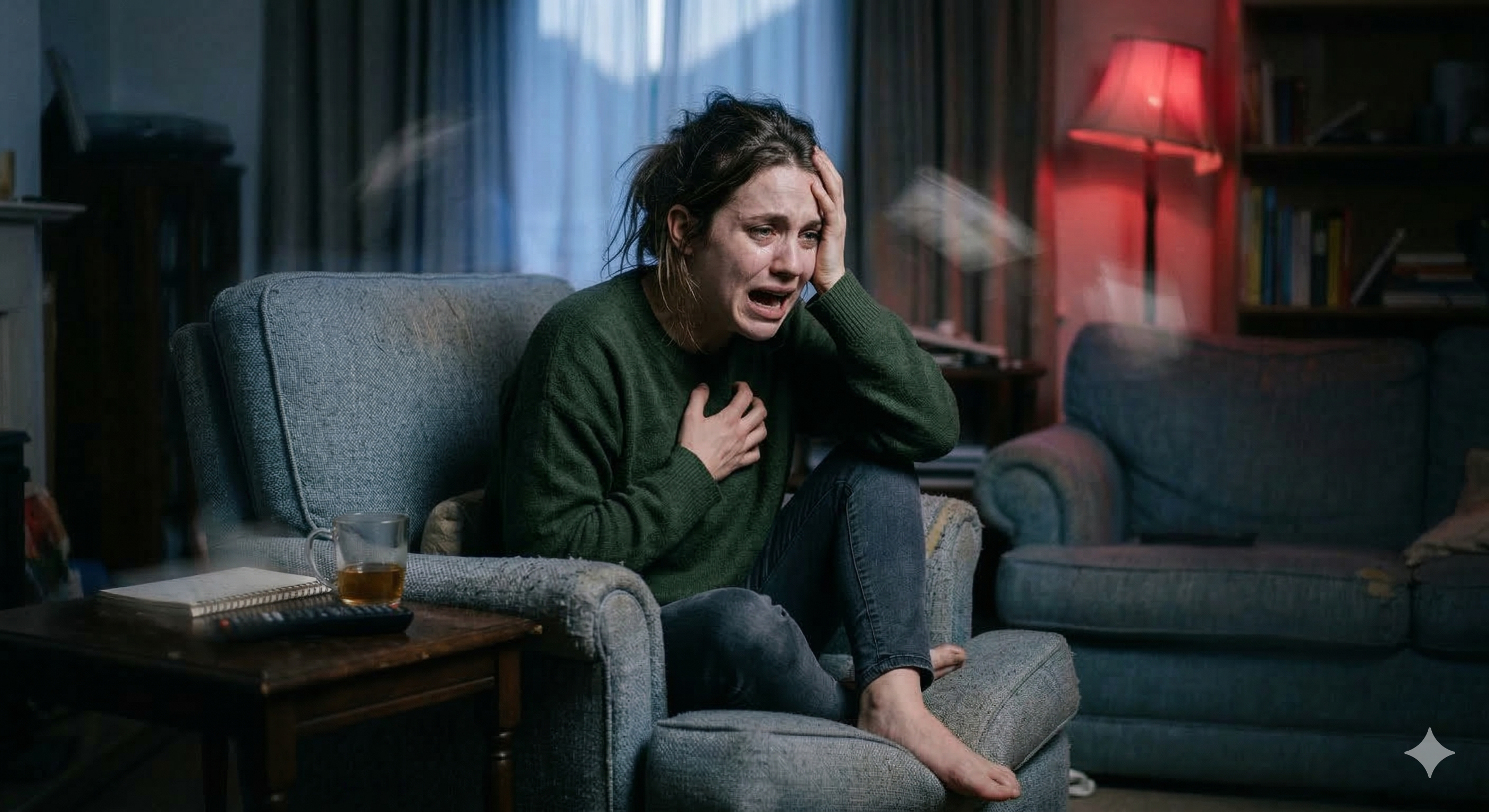
- General Anesthesia - Fragmentation of the Self: Maximum depression of consciousness and rupture of identity continuity. Upon awakening, the neurophysiological shock can induce severe acting-out, as the limbic system (Fear/Rage) reactivates before the prefrontal cortex.
Risk assessment and prevention
In this scenario, the assessment of the risk of acting-out must utilize the VERA protocol. This tool analyzes emotional stability and the degree of familiarity, preventing violent post-operative reactions caused by exiting the window of tolerance. Sedation is not a neutral process: without proper stabilization, there is a risk of a biochemical repetition of the original trauma.
Reference bibliography
- AIPC, ONOF, CIPR. (2025). Data analysis on family homicides and familiarity profiles. Rome.
- Calzone, T., Lattanzi, M. (2024). The window of tolerance in C-PTSD: psychophysiological indicators and biofeedback. AIPC Scientific Editions.
- Calzone, T., Lattanzi, M. (2023). Somatoform dissociation and relational trauma: treatment pathways in CIPR.
- Herman, J. L. (1992/2022). Trauma and Recovery. (Ref. for C-PTSD and Self-fragmentation).
- Porges, S. W. (2011). The Polyvagal Theory. (Ref. for the dorsal vagal system and shutdown).
- VERA Protocol. Violence Emotional Risk Assessment: Clinical and Criminological User Manual.
© 2026 AIPC Editore – All rights reserved Any use, even partial, without mandatory citation of the source for any modality (online, paper, video, audio, reports, and publications) is prohibited. Violations will be prosecuted according to the law. For authorizations and info: aipcitalia@gmail.com – www.associazioneitalianadipsicologiaecriminologia.it